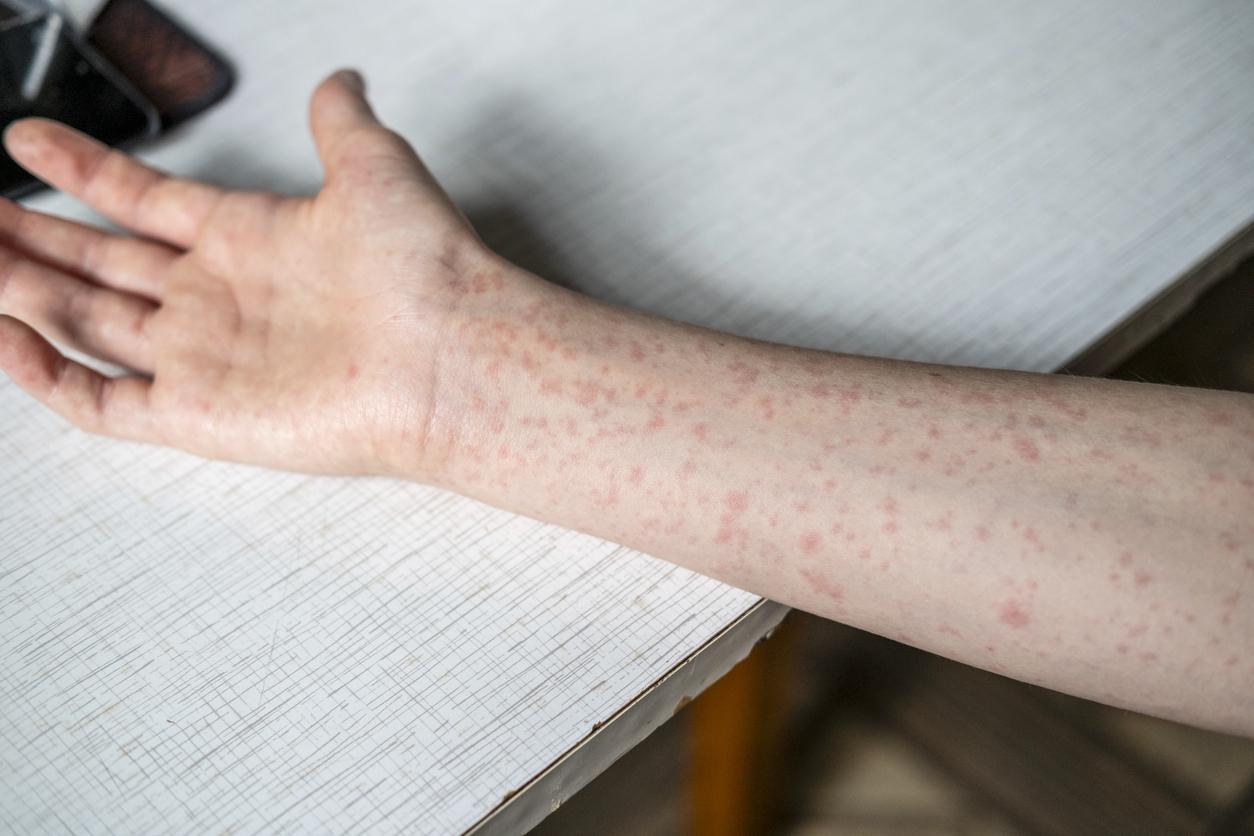
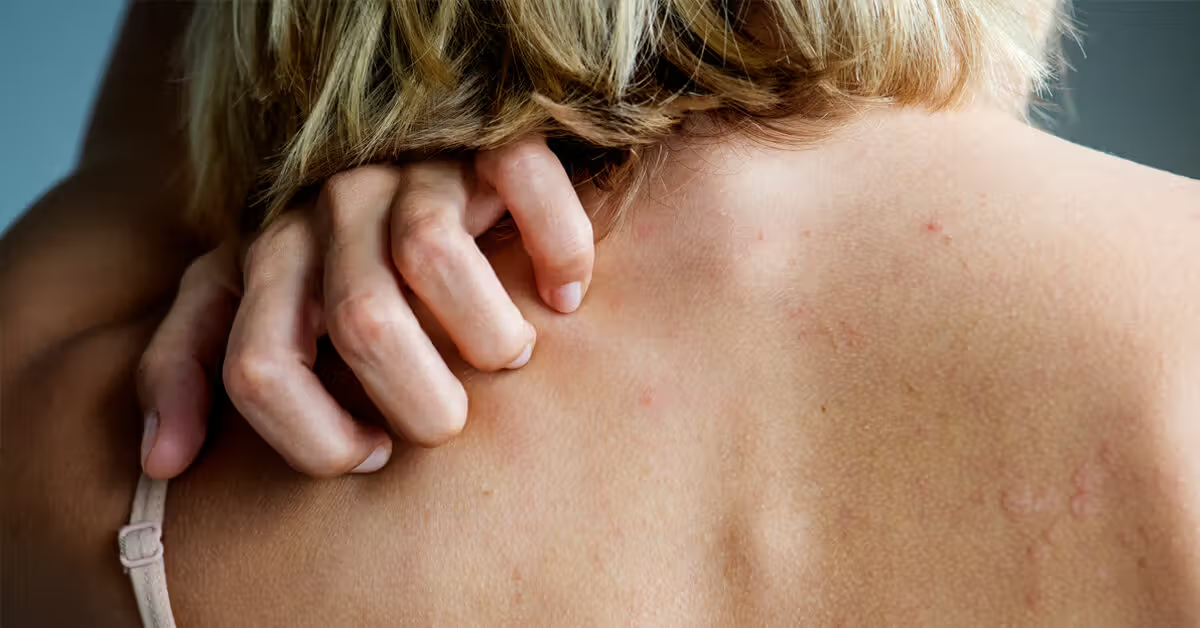
Postpartum itching refers to persistent or occasional itching that develops after childbirth. It can affect different areas of the body, including the abdomen, breasts, legs, scalp, and intimate regions. Although it may feel concerning, postpartum itching is usually linked to natural changes during recovery.
After delivery, the body undergoes rapid hormonal shifts and physical healing. As a result, the skin reacts in ways that may feel unfamiliar. While itching often improves on its own, understanding its causes makes treatment easier and more effective.
Hormonal Changes and Dry Skin
Hormonal fluctuations are one of the most common reasons for postpartum itching. During pregnancy, higher hormone levels help maintain skin hydration. After delivery, these levels drop suddenly. Consequently, the skin may lose moisture and become dry or flaky.
Dry skin often leads to itching, especially on the arms, legs, and stomach. Applying gentle moisturizers daily helps restore hydration. Additionally, drinking enough water supports skin repair from within.
Skin Stretching and Healing
Throughout pregnancy, the skin stretches to accommodate a growing belly. After childbirth, the skin begins to contract and heal. During this process, nerve endings may become irritated, which triggers itching.
Stretch marks also contribute to this sensation. As healing progresses, itching may come and go. Using nourishing oils and avoiding harsh soaps can reduce irritation and improve comfort.
Postpartum Sweating and Heat
Postpartum sweating plays a significant role in skin discomfort. The body releases excess fluids retained during pregnancy, often causing night sweats. When sweat stays on the skin, it can clog pores and increase irritation.
Keeping the skin clean and dry helps prevent itching caused by sweat. Wearing breathable fabrics and changing damp clothing promptly also minimizes discomfort.
Vaginal and Perineal Itching
Many women experience itching in the vaginal or perineal area after childbirth. This often occurs as tissues heal from stretching, swelling, or minor tears. Although uncomfortable, mild itching usually signals recovery.
Changes in natural moisture levels may also cause dryness. Gentle cleansing and loose cotton underwear support healing and reduce irritation. If itching becomes intense or painful, medical evaluation is important.
Allergic Reactions and Sensitivity
Postpartum skin may become more sensitive to products used daily. Soaps, detergents, sanitary pads, or wipes may trigger allergic reactions. These reactions often cause redness, itching, or rashes.
Switching to fragrance-free and hypoallergenic products helps calm sensitive skin. Testing new products on a small area first can prevent widespread irritation.
Stress and Sleep Deprivation
The postpartum period often includes stress and lack of sleep. These factors can worsen itching by increasing inflammation and skin sensitivity. When the body feels overwhelmed, physical symptoms may feel more intense.
Finding moments to rest, practicing relaxation, and maintaining a balanced routine help reduce stress-related itching. Even small changes can support overall comfort.
Effective Treatments for Postpartum Itching
Treatment depends on the underlying cause. For dry skin, frequent moisturizing and mild cleansers work best. For sweat-related itching, keeping the body cool and dry provides relief.
If allergic reactions cause itching, eliminating the trigger usually resolves symptoms quickly. In cases of vaginal itching, gentle hygiene and breathable clothing support healing. Persistent or worsening symptoms require medical advice to rule out infections or other conditions.
When to Seek Medical Care
Although postpartum itching is common, certain symptoms should not be ignored. Severe itching with rashes, swelling, unusual discharge, or pain needs prompt attention. Additionally, itching combined with yellowing of the skin or eyes requires immediate medical evaluation.
Listening to your body is essential during postpartum recovery. Early care ensures comfort and peace of mind.
Supporting Healing After Childbirth
Postpartum itching can disrupt sleep and daily comfort, yet it is often temporary. With proper care and awareness, most women find relief as their bodies adjust.
By understanding the causes and using targeted treatments, new mothers can support healing and focus on recovery with greater confidence and ease.