
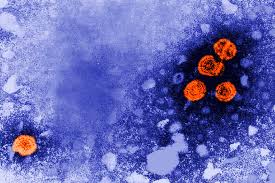
The CDC recently updated its guidance, urging doctors to focus more on hepatitis B testing during pregnancy. While the move aims to curb the risk of transmission from mother to child, some medical experts argue the new measures fall short. They claim that relying solely on testing may leave gaps in prevention and early intervention.
Hepatitis B can have serious consequences for both mother and newborn. Babies infected at birth face a high risk of chronic infection, which can lead to liver disease later in life. Doctors emphasize that early detection in pregnancy is vital. Testing alone, however, does not automatically ensure treatment or vaccination at the right time.
Some clinicians point out that even with increased testing, pregnant people may not receive adequate counseling on the next steps. Without clear protocols for immediate follow-up, positive results may not translate into timely care for the mother or newborn. This concern highlights the need for a more comprehensive strategy.
Vaccination and antiviral treatments are key tools in preventing mother-to-child transmission. Experts suggest that prenatal care should include not only screening but also immediate planning for preventive interventions. For instance, newborns can receive hepatitis B immunoglobulin and the first vaccine dose shortly after birth, which drastically reduces infection risk.
In addition, healthcare providers must be vigilant about reaching high-risk populations. Some pregnant individuals may have limited access to prenatal care or face barriers to vaccination. Without addressing these systemic challenges, testing alone cannot eliminate transmission risks.
Professional organizations recommend integrating hepatitis B testing into standard prenatal checkups. They also encourage education campaigns to raise awareness among expectant mothers. Combining testing with active follow-up and vaccination ensures the best possible outcomes for both mothers and babies.
The debate continues over how aggressively to implement these measures. Some argue that the CDC’s current focus is a step in the right direction but still insufficient. Others urge policymakers to mandate universal screening and vaccination protocols to maximize protection.
Ultimately, experts agree that preventing hepatitis B in newborns requires more than testing. Comprehensive prenatal care, immediate interventions, and ongoing education are essential. Without these combined efforts, babies remain at risk, and the public health goal of eliminating mother-to-child hepatitis B transmission remains elusive.