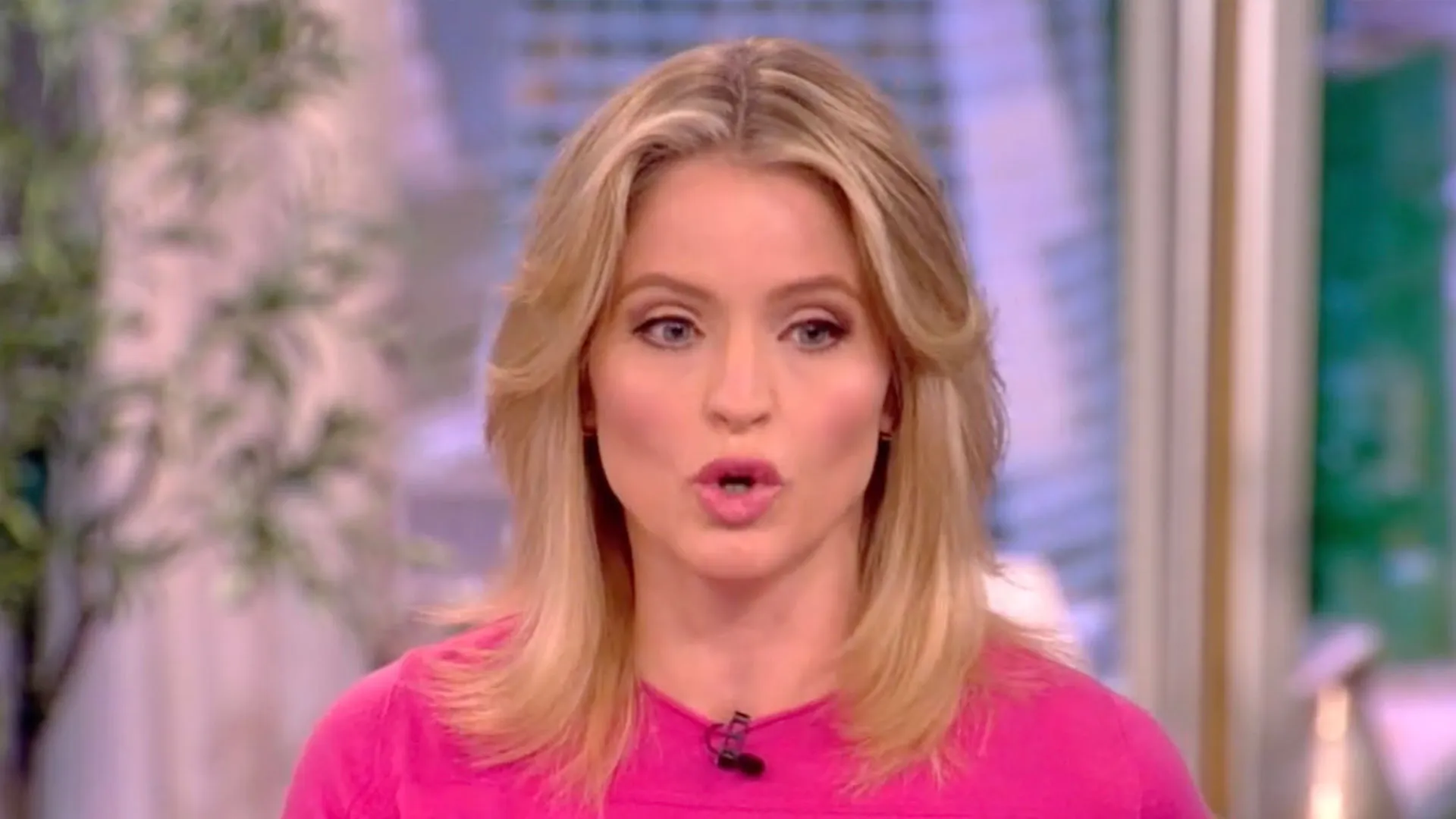
A tense moment erupted when a popular daytime host sharply criticized recent military strikes in Venezuela, calling them “flat-out murder.” Her comment immediately set off a national debate. Many viewers expressed shock. Others praised her for saying what they felt. This moment grew louder as officials defended the operations. The clash quickly turned into one of the most intense political discussions of the week.
Why the Comment Hit a Nerve
The host did not soften her tone. She argued that the strikes crossed moral and strategic lines. She claimed the action looked more like elimination than defense. Her words traveled fast across television and social platforms. As they spread, people chose sides. Some said she showed courage. Others accused her of being reckless. This reaction proved how deeply the issue resonated with the public.
Officials Push Back Strongly
The Defense Secretary fired back soon after. He dismissed reports surrounding the strikes as wrong and dangerous. He insisted the coverage looked “fabricated, inflammatory, and derogatory.” His response aimed to reshape the narrative. He said the operations followed strict protocols. He also emphasized that the military acted to protect national security. His firm stance added more fuel to the conversation. With every statement, the divide grew wider.
Public Reaction Grows More Intense
Viewers, analysts, and commentators responded rapidly. Many questioned the transparency behind the operations. Others supported the government’s explanation. Meanwhile, several groups pushed for clear evidence. They demanded honest assessments of both the intent and the outcome. Because of rising uncertainty, frustration spread online. Each hour brought new opinions. As a result, the topic dominated headlines throughout the day.
The Moral and Political Questions
At the core of the dispute lies a simple question: Were these strikes justified? The host argued that morality must guide military force. She claimed human cost should outweigh political objectives. Her words made supporters rethink the definition of justified action. Opponents insisted her statement ignored strategic threats. They said leaders must act fast in moments of danger. Thus, the debate became more than a disagreement. It became a test of values.
Television Hosts and Political Responsibility
Television hosts hold major influence. Their words reach millions every day. Because of this, their opinions can shift public attitudes. The host’s statement proved that clearly. It created a ripple effect across several industries. Media analysts argued that strong commentary shapes national discussions. Critics warned that bold statements must rely on accurate information. Supporters argued that moral clarity matters just as much as political accuracy.
The Bigger Picture: What Comes Next
This confrontation marks a turning point. Questions now surround the long-term strategy in Venezuela. People want more transparency. They want clear communication from leaders. They demand consistent reporting from media outlets. The clash between a TV figure and a top official exposed gaps in public understanding. It also revealed deep frustration with global conflict and military intervention.
Impact on Public Trust
Public trust often shifts during tense political events. Some now trust the host more than official statements. Others believe government messaging remains the only reliable source. This division shows how fragile trust has become. Even small statements can change opinions. Because this moment hit so hard, it will likely influence future debates on foreign policy.
Conclusion: A Controversy That Won’t Fade Soon
The host’s “flat-out murder” remark became more than a headline. It became a symbol of how divided the country feels about military action. It sparked new conversations about ethics, transparency, media responsibility, and national security. As the story continues to unfold, both sides stand firm. Because of that, this debate will remain in the public spotlight for a long time.