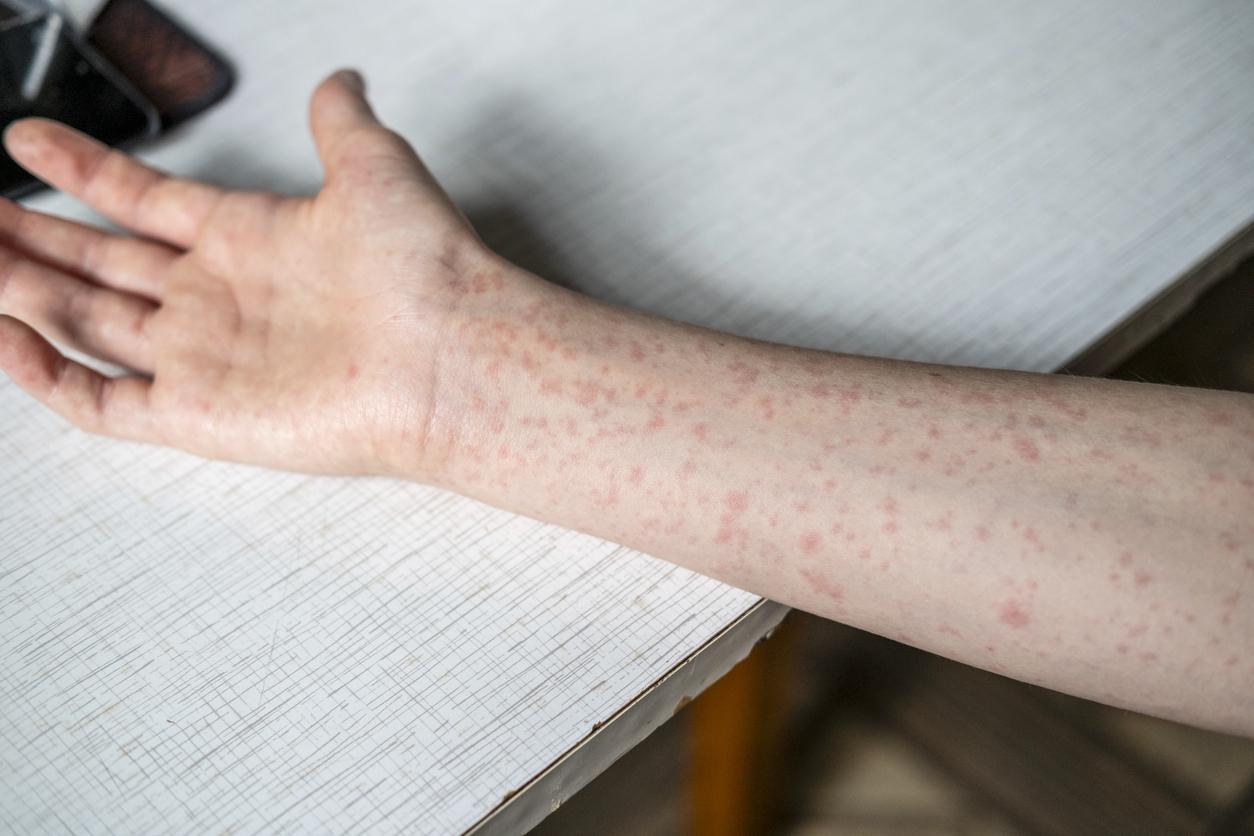

People often blame skincare or makeup for sudden face rashes. Yet many experts reveal that a surprising source hides in plain sight: nail polish. A specific ingredient in certain formulas can travel from your hands to your face and trigger irritation. Because most people touch their face many times a day, the reaction appears without any clear warning. This makes the problem frustrating as the root cause stays unnoticed.
How Nail Polish Triggers Facial Reactions
The main issue comes from strong ingredients in long-lasting or quick-dry formulas. These compounds cling to the nails, but they also transfer easily when you rub your nose, rest your chin, or brush hair away. Over time, they build up on sensitive facial skin. As a result, redness, tiny bumps, itching, and dry patches begin to appear. Many confuse this reaction with acne or allergies caused by skincare, so they continue using the polish and the irritation continues.
Why Reactions Are Increasing
Today’s polishes aim for durability, high shine, and chip resistance. As a result, they often rely on powerful bonding agents. While these ingredients help the polish stay intact, they also raise the risk of sensitivity. In addition, people often use gel or extended-wear formulas more frequently now. This regular exposure increases the chance of irritation. Because the face has thinner and more reactive skin than the hands, even a small transfer can create a noticeable rash.
Signs Your Rash May Come From Nail Polish
Although symptoms vary, several patterns offer strong clues. First, rashes often appear around the eyes, sides of the nose, or chin because people touch these areas the most. Second, the irritation often improves when nail polish is removed for a few days. Third, flare-ups repeat whenever the same formula is used again. These observations help many identify the source even before a formal diagnosis.
Safer Alternatives That Reduce Risk
Fortunately, you don’t have to give up nail color to protect your skin. Several safer options work well and avoid the harsh ingredients found in many long-wear formulas. Water-based polishes provide color without heavy chemicals. Breathable formulas reduce the chance of trapping irritating compounds against the skin. Even basic short-wear polishes can be gentler since they rely on simpler ingredients. Switching to these types often reduces irritation quickly.
Tips to Prevent Future Rashes
Simple habits can lower the risk even more. First, wash your hands after applying polish to remove any residue around the fingers. Next, avoid touching your face until the polish dries completely. Also, consider taking short breaks between polish changes to minimize constant exposure. Additionally, choose acetone-free removers to prevent dryness that may worsen irritation. Finally, moisturize your hands and nails to create a healthier barrier.
When to Seek Professional Guidance
If the rash persists, spreads, or becomes painful, then it is best to seek professional help. A specialist may recommend patch testing to identify the exact ingredient that bothers your skin. This step helps you avoid future reactions and choose safer formulas. Although many cases improve after switching polish, persistent irritation needs proper evaluation to rule out other causes.
The Bottom Line
Nail polish seems harmless, yet certain formulas can trigger stubborn facial rashes. Thankfully, safer choices and better habits make a significant difference. When you switch to gentle polishes and reduce direct face contact, your skin often clears up quickly. Awareness is the first step, and knowing the possible cause empowers you to protect both your nails and your face.