
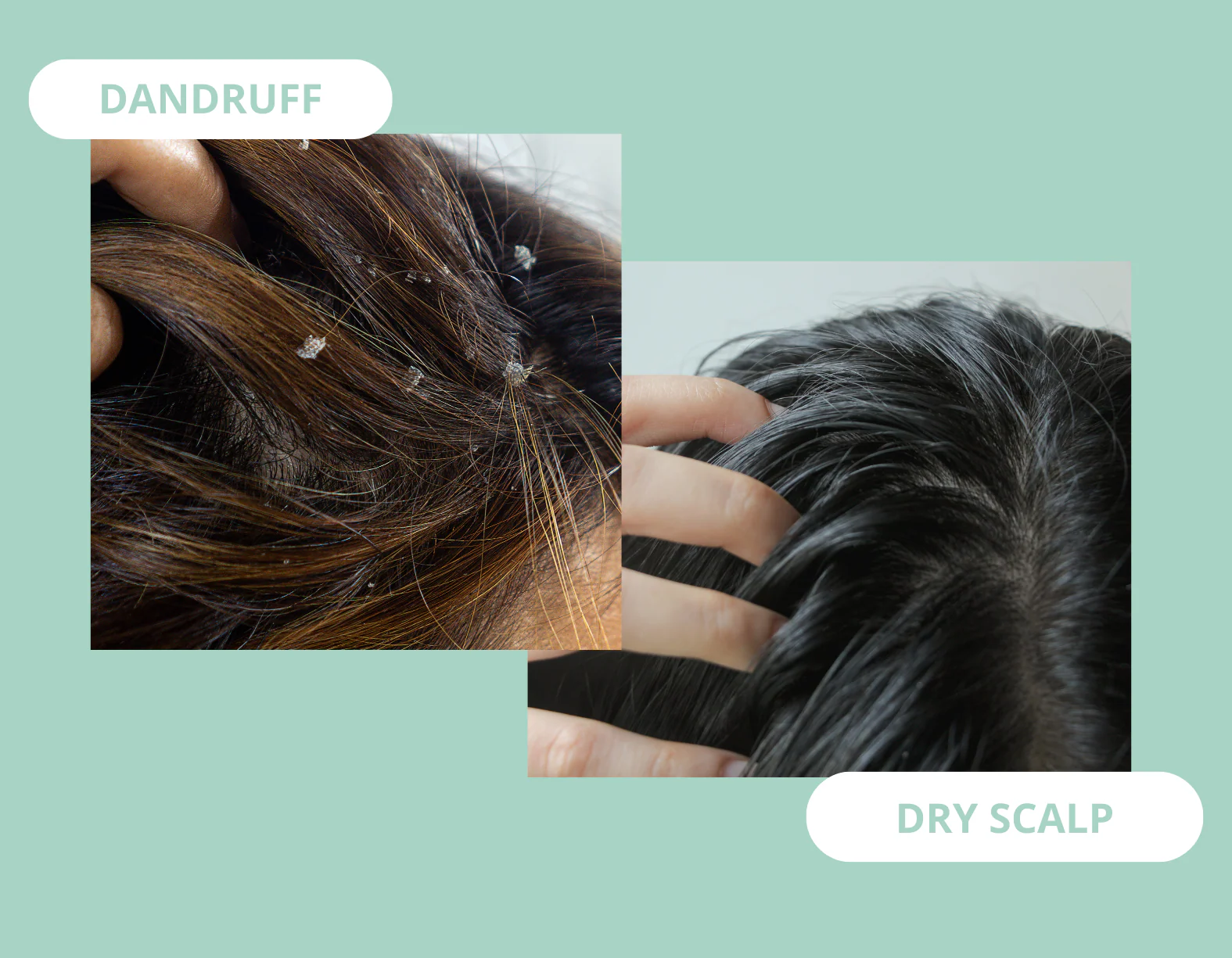
Many people notice flakes on their shoulders and assume they have dandruff. However, those white particles can also come from a dry scalp. Both conditions appear similar at first glance, but each one develops for different reasons. Understanding the true cause helps you treat the issue faster and prevent flare-ups. Experts say that observing the texture of flakes, scalp feel, and accompanying symptoms gives you the biggest clues.
What Dry Scalp Really Feels Like
A dry scalp happens when the skin loses moisture. This condition often results from cold air, harsh products, or excessive washing. When the scalp becomes dehydrated, it starts shedding small, lightweight flakes. These flakes fall easily and look powdery. You may also notice tightness across the scalp. Many people experience itching because the skin loses its natural oils. When you address dryness early, the scalp usually restores its balance quickly.
Furthermore, a dry scalp has flakes that appear lighter. They look thin and soft rather than clumped or oily. You also may feel relief when you apply gentle moisturising treatments. Transitioning to milder formulas and reducing washing frequency often improve symptoms. Because dry scalp responds well to hydration, you can manage it with simple routine adjustments.
What Dandruff Looks and Feels Like
Dandruff occurs for a different reason. It develops when the scalp’s natural shedding process speeds up. This leads to larger flakes that look thicker and sometimes appear yellowish. Unlike dry scalp, dandruff flakes often feel greasy because the scalp produces excess oil. Many people with dandruff experience itchiness, but they also notice redness or irritation.
A key sign of dandruff is the presence of clumps that stick to the hair. These flakes do not float off easily. Instead, they attach to strands and appear more noticeable. If the scalp feels oily within a day or two of washing, this supports the possibility of dandruff. Targeted scalp care usually brings relief, but it may take consistent treatment to manage recurring flakes.
The Key Differences You Should Check
You can tell the difference between the two conditions by examining three main factors: flake style, scalp sensation, and oil levels. Dry scalp shows small, white, feather-light flakes. Dandruff shows larger, heavier flakes with an oily texture. Dry scalp feels tight, whereas dandruff feels irritated. Too much oil signals dandruff, while too little oil signals dryness.
It helps to think about how your scalp reacts after washing. If your scalp feels comfortable with added moisture, dryness is likely. If flakes return quickly even after thorough cleansing, dandruff becomes the stronger possibility.
How to Choose the Right Treatment
The correct care depends on the underlying cause. A dry scalp benefits from gentle hydration, reduced shampooing, and soothing oils. On the other hand, dandruff requires formulas that help rebalance the scalp’s shedding cycle. Staying consistent plays an important role, because both conditions need time to settle.
Making small changes to your routine can transform scalp health. If you style your hair often or wash it daily, reducing heat and harsh cleansing helps improve dryness. If you deal with oil buildup, cleansing more regularly helps manage dandruff. Notice how your scalp responds and adjust as needed.
When to Seek Professional Advice
If symptoms worsen or do not improve, speaking with a specialist becomes necessary. Persistent itching, redness, or sores may signal a condition beyond dandruff or dryness. Getting guidance helps you avoid choosing unsuitable products. Early action prevents long-term discomfort and keeps your hair healthy.
The Bottom Line
Flakes may look similar, but they come from different causes. By paying attention to flake type, scalp feel, and oil levels, you can identify whether you are dealing with dryness or dandruff. Once you make the distinction, choosing the right care becomes simple. A healthy scalp starts with understanding what your body tells you.