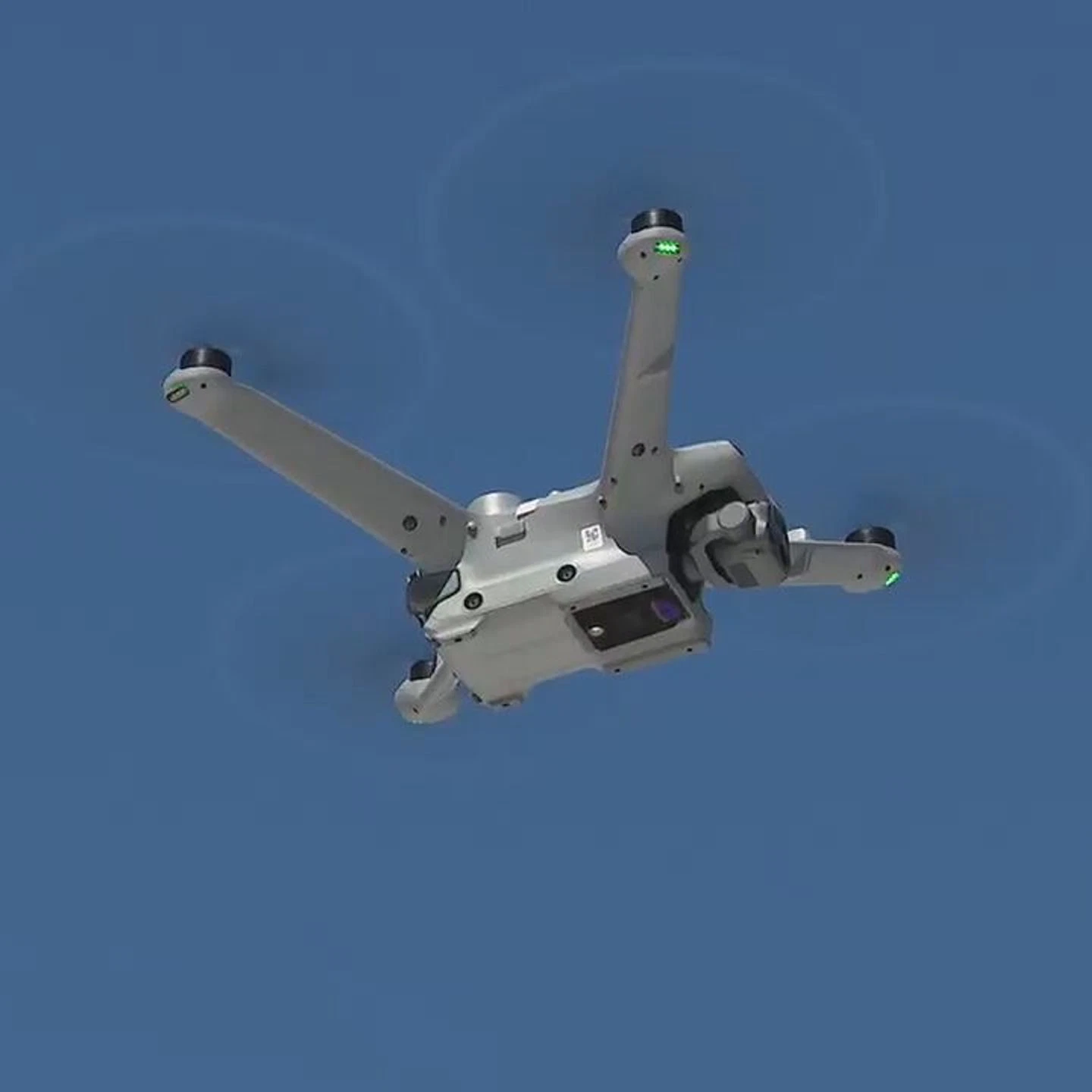

The rapid rise of aerial technology is rewriting the future of whale research. Scientists who once relied on large vessels, long hours at sea, and unpredictable weather now turn to compact flying devices that deliver sharper, safer, and faster results. As drones circle above the ocean, they capture details that were once impossible to record. Consequently, a new era of marine observation has begun, reshaping how experts study the planet’s largest mammals.
Aerial Eyes Unlock Hidden Whale Behavior
Researchers have traditionally faced massive challenges when tracking whale behavior. The ocean is vast, conditions shift quickly, and whales spend most of their time underwater. However, drones now give experts a clear view from above. They reveal feeding patterns, social interactions, and even nurturing moments between mothers and calves.
Moreover, drones record these scenes without disturbing the animals. Their quiet presence allows researchers to observe natural behavior that boats often disrupt. This shift gives scientists cleaner data and a deeper understanding of whale routines that shape their survival.
Safer And Faster Data Collection At Sea
Before drones, collecting close-range measurements required scientists to edge dangerously close to whales. Now, drones lower risks for both animals and humans. They measure body length, assess health, and track scars or injuries from a safe distance. Additionally, drones collect samples from whale blows, capturing DNA and other biological clues with easy precision.
As a result, research teams gather reliable information more efficiently. They no longer depend entirely on calm seas or slow maneuvers. Instead, they launch drones quickly, cover more ground, and respond to whale sightings before the opportunity slips away.
How Technology Elevates Conservation Efforts
Drone footage offers essential insights for conservation planning. Because whales face threats from climate shifts, noise, and vessel traffic, scientists need accurate data to protect them. Drone images help identify stress signals, movement changes, and shifts in migration routes. Consequently, experts can alert authorities or adjust protection zones sooner.
Furthermore, drones often detect issues that human eyes miss. Their high-resolution sensors catch subtle changes in whale posture or body condition long before they become critical. This early warning system supports long-term preservation.
Cost-Effective Tools Boost Global Research
Large research ships require significant funding, fuel, and staffing. In contrast, drones offer a budget-friendly alternative. Their affordability allows more countries, small teams, and independent researchers to collect valuable information. As drone programs expand worldwide, the combined data strengthens global understanding of whale populations.
Additionally, shared footage and models allow distant teams to collaborate more easily. This cooperation accelerates discoveries and ensures that even remote locations contribute to worldwide whale protection.
The Future Of Whale Study Is Taking Flight
With each new advancement, drones grow smarter, lighter, and more powerful. They will soon capture even clearer images, travel longer distances, and analyze data instantly. This evolution means the next decade of whale research will rely even more on aerial innovation.
Although traditional methods still matter, drones now sit at the center of modern marine science. They reveal stories hidden beneath waves and open the sky as a new frontier of discovery. Ultimately, drones help humans understand the giants of the ocean while protecting them more effectively than ever before.