
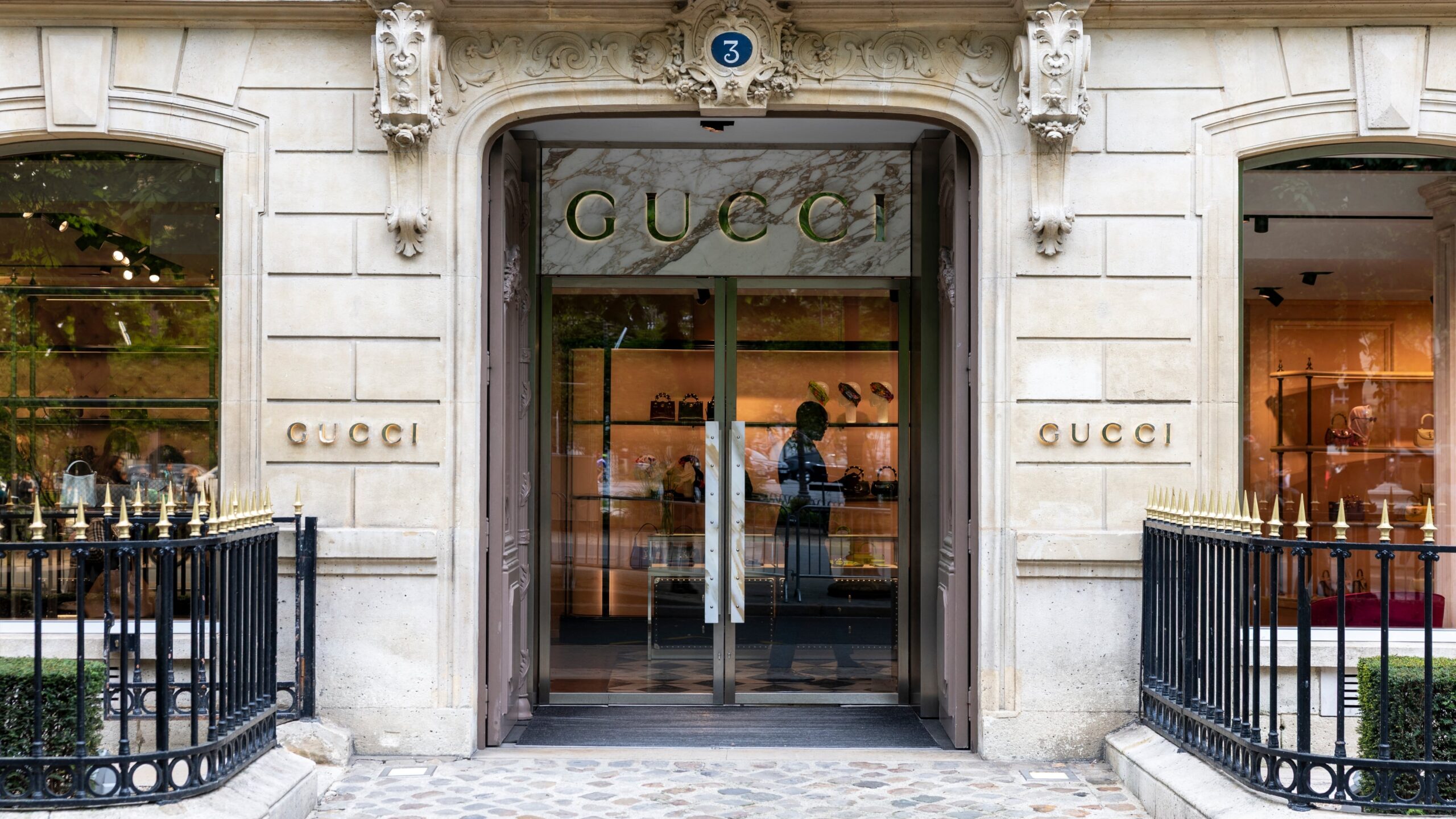
Kering is preparing for a significant internal reset as its leadership pushes for a leaner, more balanced future. In a recent internal memo, the chief executive outlined a clear direction: downsize, diversify beyond Gucci, and increase synergy between all divisions. The message signals a turning point for the luxury group, which has long depended on one powerhouse brand for the majority of its results.
A Leaner Structure to Improve Agility
The memo explains that the company must streamline its structure to move faster. The CEO emphasizes that too many overlapping roles create confusion and slow decision-making. As a result, the group will assess every operational layer. Teams may shrink. Some responsibilities may shift. However, the goal is efficiency, not simple cost-cutting.
The CEO states that a lighter structure will allow the group to respond more quickly to changing consumer expectations. Because customer needs shift rapidly, the company must stay flexible. Therefore, a smaller and sharper corporate framework will support faster action.
Reducing Heavy Reliance on One Brand
For years, Gucci has dominated the group’s performance. The memo notes that this heavy reliance limits long-term stability. When one brand carries such a large share, any slowdown affects the entire company. Consequently, the group will shift its focus.
The plan includes increasing support for under-leveraged labels and exploring new strategic directions. The CEO wants each brand to stand strong on its own. This balanced approach will reduce risk and drive more consistent growth. Although Gucci remains a vital part of the business, the company now wants a healthier distribution of momentum across its full portfolio.
Driving Synergies Across All Divisions
Another priority is synergy. The memo highlights that each brand currently operates with too much independence. Because of this, resources are duplicated and expertise becomes isolated. By encouraging more collaboration across design, operations, technology, and marketing, the company can cut internal barriers.
The CEO believes that shared capabilities will increase innovation. Additionally, unified platforms can lower operational costs and sharpen customer engagement. The company plans to build stronger cross-functional hubs that pool creative and strategic skills. This shift will help the group compete more effectively in a market where speed and cohesion matter more each day.
A Cultural Reset for Long-Term Transformation
Beyond structural changes, the memo points to a cultural renewal. The CEO urges teams to adopt a more entrepreneurial mindset. This includes taking smarter risks, avoiding comfort zones, and staying alert to global trends. While the transition will not be easy, leadership insists it is necessary for future strength.
The memo also notes that change must start at the top. Executives will adapt their own processes to set an example. They will simplify reporting lines and increase transparency. Because trust is essential during restructuring, the CEO promises consistent communication throughout the transformation.
What This Means for the Group’s Future
If executed well, these shifts could reshape the company’s future path. A lighter structure, reduced exposure to one dominant brand, and stronger internal synergies may unlock new growth. Moreover, a culture that encourages quick thinking and unified effort can push the group into a new era.
The memo ends with a firm message: change is no longer optional. It is the only way to secure long-term relevance in a competitive global market. As the transformation begins, the group prepares for a defining chapter in its history.