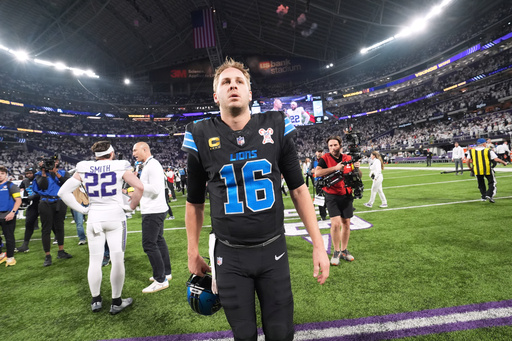

JJ McCarthy arrived in the league with strong college achievements, controlled decision-making, and a reputation built on poise instead of flash. Expectations grew quickly, and some believed he would produce instant highlight-level numbers. However, his early progress has moved at a slower pace than many projected. Instead of being a concern, this gradual rise can prove beneficial because several late-emerging quarterbacks followed similar paths with great success.
The early pressure surrounding rookie passers continues to increase each season. Fans, franchises, and analysts often hope to see near-instant production, explosive throws, and fast offensive command. Although rapid development is exciting, history shows that patient growth can create smarter players. McCarthy appears to fall inside that category because his strengths lean on learning, timing, and controlled progress rather than raw improvisation
Early Challenges Create Long-Term Value
McCarthy entered a system that demanded proper reads, quick adjustments, and measured risk-taking. Instead of chasing deep throws, he focused on clean mechanics and smart game management. Growth like this takes time, and it tests leadership by forcing a player to stay steady through outside criticism. Young quarterbacks who learn patience gain the ability to maintain mental toughness during high-pressure moments. This helps them avoid reckless choices and builds long-term stability.
He continues to adjust to faster defensive pressure and more disguised coverages. Professional defenders reduce reaction windows, and timing must improve. As he adapts, he develops a sharper mental game. That trait becomes a difference-maker later in a player’s career. Once comfort arrives, accuracy and confidence usually rise with it. His slow build can strengthen his command, timing, and situational awareness.
Why Slow Growth Can Be A Hidden Advantage
Quarterbacks who explode too fast sometimes struggle when defenses catch up to them. McCarthy’s steady track helps him build a layered foundation. This allows him to grow into an efficient system leader rather than relying only on arm strength or emotional momentum. Coaches often value stability more than highlight plays because teams win through decision quality, rhythm, and mental durability.
Another positive sign is his calm body language during difficult drives. Many young quarterbacks show frustration when early results disappoint. McCarthy chooses focus, measured improvement, and quiet confidence. That mindset matches long-term leadership style and fits the approach of athletes who find success after a slower opening act.
Signs Point Toward A Big Second-Stage Leap
McCarthy shows sharp footwork, smooth throwing motion, and confident field vision. Even when production appears mild, his technique supports future progress. As his timing improves with receivers, more aggressive play calling will likely appear. When he gains full trust and rhythm, he can shift from safe throws to strategic deep shots. That transition transforms a slow starting quarterback into a complete offensive weapon.
His early chapter should not define him. Instead, it forms a training stage that creates a balanced and intelligent football mind. Growth at this pace helps build long-lasting performance instead of temporary excitement. If he stays patient, improves timing, and grows chemistry with teammates, he can follow the path of other athletes who began quietly but ended with top-tier careers.
Final Outlook
JJ McCarthy’s slow start does not signal failure. It signals development. His current track aligns with successful late bloomers who turned patience into power, intelligence, leadership, and long-term durability. He stands at the start of a promising arc, and if he continues on this path, his slow beginning may one day appear as the first chapter of a breakout story rather than a sign of concern.