
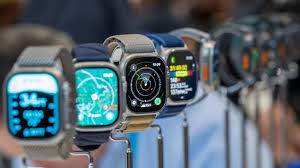
A major jury decision has become headline news after a ruling that requires Apple to pay $634 million in damages linked to patented medical-style watch functions. The decision shocked many industry observers because the dispute focused on health-tracking features that became key selling points for modern wearable devices. The battle also highlighted how competitive the health-tech market has become as major brands attempt to stand out using biometric innovation.
Dispute Centers On Health-Monitoring Features
The disagreement focused on technology used for measuring oxygen levels and other wellness metrics. The legal complaint claimed that specific features inside popular smartwatch models copied unique patented methods tied to medical-grade signals. Apple continued to argue that its watch platform focuses on consumer wellness rather than clinical monitoring. However, the jury concluded that the patented solutions played a direct role in feature development, and therefore financial damages were appropriate.
How The Jury Reached Its Massive Compensation Figure
Legal teams fought over the size of financial penalties just as strongly as over technical ownership. One side argued that millions of devices sold with premium health features helped generate massive commercial value. As a result, the $634M number reflected both past sales and long-term innovation impact. Apple challenged the claim, stating that the watch delivers convenience data rather than replacing regulated medical devices. Yet, jurors ultimately favored the argument that value and reach justified significant compensation.
What The Decision Means For Wearable Health Tech
The case may become a landmark legal reference because it touches on the thin line between wellness gadgets and clinical monitoring systems. Many tech analysts now believe that major brands must tighten research documentation, licensing agreements, and partnership structures before integrating biometric breakthroughs. Furthermore, this ruling could inspire more patent enforcement actions from inventors, labs, and research-focused firms who saw their ideas adapted for consumer products.
Apple Plans Response And May Pursue Major Appeal
Although the verdict stands, Apple plans to challenge it. The company insists that innovation often overlaps across industries and requires fair interpretation rather than aggressive penalties. The coming appeal may lead to negotiations, reduced damages, or even renewed trials. Still, the verdict demonstrated that juries increasingly view intellectual property as a protected asset with strong financial value rather than just a technical document.
Impact On Future Smartwatch Development
This event may trigger software revisions, hardware redesigns, and new licensing strategies throughout the wearable sector. Tech manufacturers could shift toward internal biosensor development or seek early-stage partnerships with biomedical researchers. Meanwhile, consumers may expect even more advanced monitoring functions as competition increases and innovation becomes a core identity factor.
Conclusion
This $634M decision sends a loud message across the technology world. Innovation remains valuable, and patent ownership matters. Apple will continue defending its position, yet the verdict proves that health-tech advancement now includes legal risks, financial stakes, and global scrutiny.