
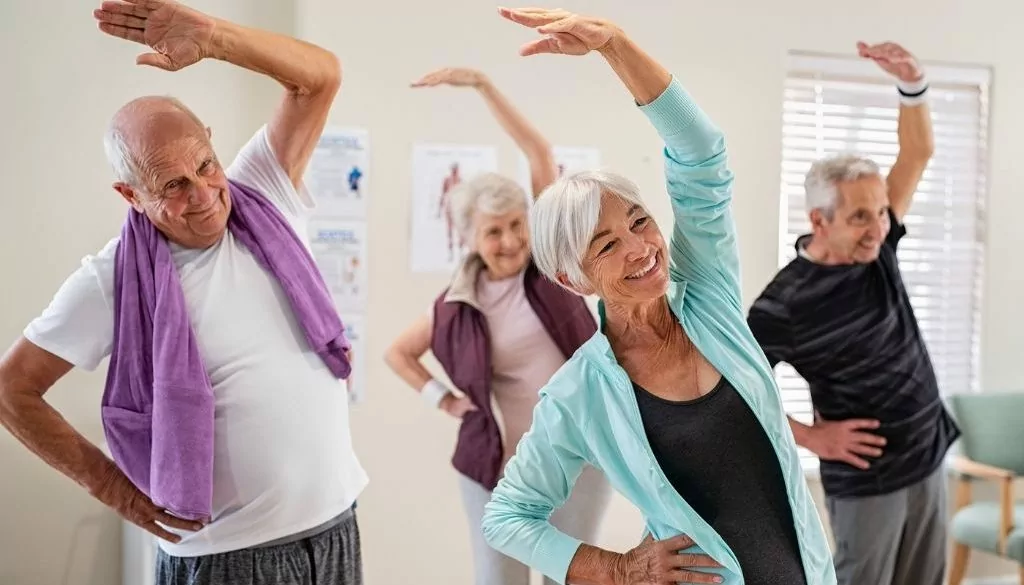
A growing number of adults are proving that life after 60 can be one of the most energizing phases. With better awareness and smart choices, many people now enter these decades with goals to stay active, maintain strength and protect mental health. This shift shows how aging no longer signals slowing down. Instead, it opens a new chapter filled with more time, wisdom and opportunity. Because of this, experts often call these years the “longevity window,” where your daily habits directly shape long-term vitality. As people embrace this thinking, they begin taking small but powerful steps that support a healthier future.
Focus on Daily Movement
Regular movement remains the strongest predictor of healthy aging. Short walks, stretching sessions and light strength routines all contribute to muscle power and better balance. These activities reduce the risk of falls and help maintain independence. When movement becomes part of a daily routine, energy levels rise and stiffness decreases. Many adults notice that a simple 20-minute walk each morning transforms the way they feel for the rest of the day. Adding activities like swimming or cycling further boosts heart health, while low-impact workouts protect joints. Movement also enhances mood because it encourages the release of feel-good hormones.
Build Nutrient-Dense Eating Habits
Food choices impact how smoothly the body functions. Meals rich in vegetables, fruits, whole grains and lean proteins support muscle strength and digestive health. Older adults benefit from foods high in calcium, fiber and antioxidants. These nutrients help maintain bone density, support gut balance and reduce inflammation. Eating smaller, balanced meals throughout the day also improves energy. Hydration plays an equally important role, as the body’s thirst signals weaken with age. Drinking water regularly helps prevent fatigue and supports clear thinking. Many people find success by preparing simple meals at home and choosing fresh ingredients.
Protect Brain Health Every Day
Cognitive strength becomes a major priority during these years. Activities that challenge the mind act as protective training for the brain. Puzzles, reading, new hobbies and learning skills all stimulate mental activity and encourage new connections. Social engagement is equally powerful. Conversations, group activities and community involvement help reduce stress and improve emotional wellbeing. These interactions often lead to a stronger sense of purpose. Quality sleep also strengthens memory and mental clarity, allowing the brain to reset and recover. Creating a consistent sleep routine with reduced evening screen time supports this natural process.
Strengthen Social and Emotional Wellbeing
Emotional health deeply influences physical health. Adults who nurture meaningful relationships often experience fewer stress-related issues and enjoy stronger immunity. Regular communication with family, friends or community groups helps build connection and joy. Many people also explore mindfulness practices to maintain calmness. Deep breathing and short meditation sessions help reduce anxiety and improve mood. These habits promote emotional stability and increase resilience during life transitions. Positive mental habits also encourage people to remain active and invested in their goals.
Prioritize Preventive Health
Regular checkups allow individuals to catch concerns before they grow. Monitoring blood pressure, bone health and vision helps maintain overall stability. Simple tests guide better decision-making and support early intervention when needed. Many people also adjust their routines based on professional advice, which strengthens long-term wellbeing. Staying consistent with these visits gives adults peace of mind and ensures their health remains on track. This proactive approach often leads to stronger confidence and better daily comfort.
Create a Lifestyle That Supports Independence
Small lifestyle adjustments help older adults stay independent longer. Organizing living spaces, choosing supportive footwear and using mobility aids when needed reduce risks. Many also benefit from routines that include structured meal planning, daily movement and safe home environments. These adaptations allow individuals to focus on activities they enjoy without worry. Independence becomes easier when the body and mind work in harmony.
Aging Can Be the Healthiest Chapter Yet
Aging now looks different from the past. With intentional habits, adults between 65 and 85 can protect strength, mobility and emotional health. Each small step creates a foundation for long-lasting vitality. When older adults commit to movement, nourishment, strong social ties and daily mental engagement, they experience renewed energy and confidence. These choices turn aging into a period filled with purpose and wellbeing.