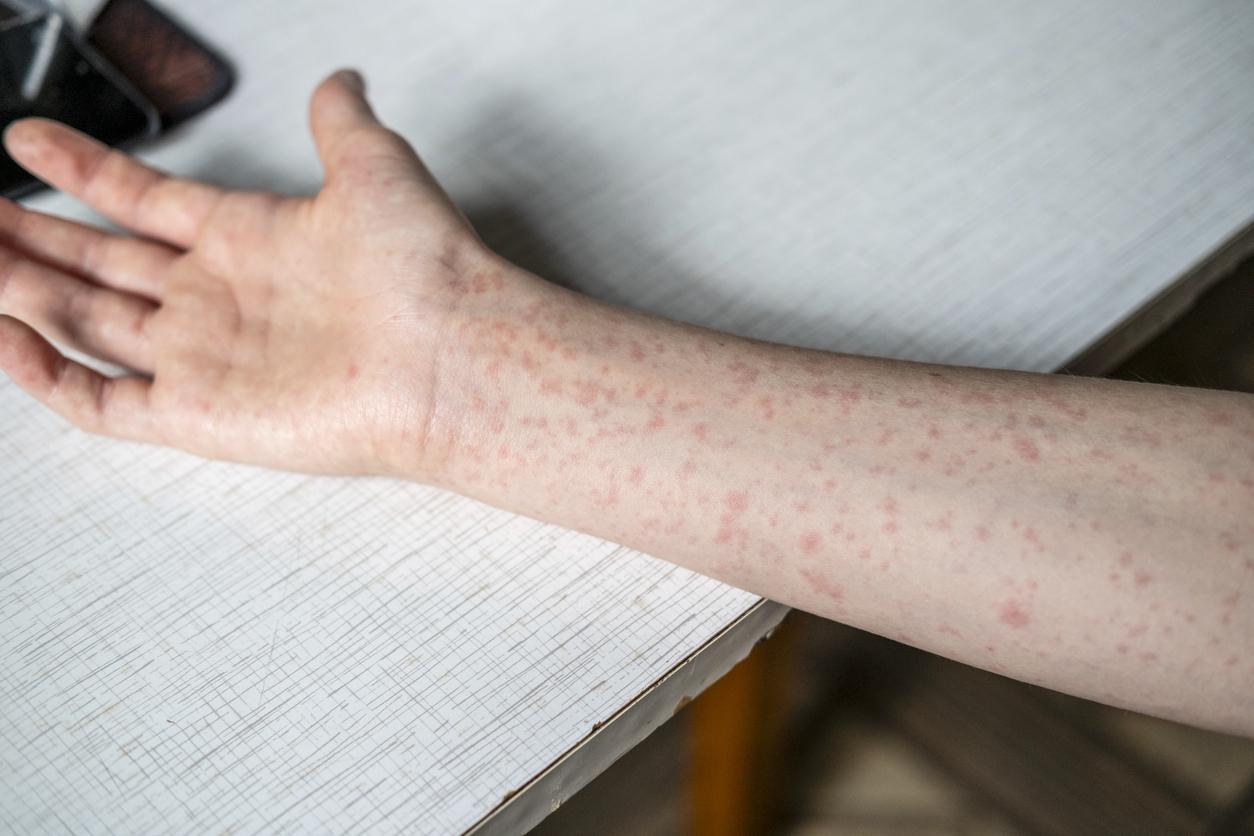
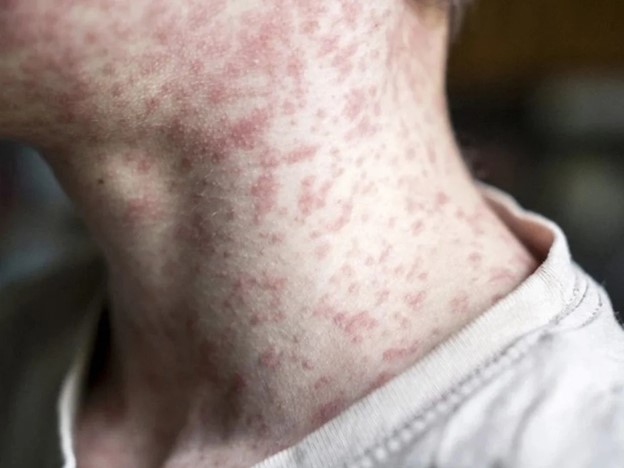
Canada has officially lost its measles elimination status following a surge in cases that has spread across multiple regions. Health officials confirmed that the outbreak marks a significant setback for the nation, which had maintained its measles-free status for nearly two decades. The loss of this status signals a warning about declining vaccination coverage and growing public health challenges.
The Growing Outbreak Across Canada
The resurgence of measles began earlier this year, with dozens of confirmed cases quickly multiplying across provinces. Many of the infected individuals were unvaccinated, which allowed the virus to spread rapidly through communities. Health experts reported that the disease’s return was largely fueled by international travel, low immunization rates, and misinformation surrounding vaccines.
Authorities have since initiated widespread contact tracing and vaccination drives in affected areas. Hospitals have also reported a sharp increase in suspected measles cases, primarily among young children and adults who had never received the full vaccine dose.
Why the Measles-Free Status Matters
Losing measles elimination status means the disease is now circulating locally, not just being imported from abroad. This shift has major implications for public health, as it reflects a weakening of herd immunity. Canada had previously earned recognition for eliminating measles through strong vaccination programs and consistent national coordination.
Experts warn that regaining the eliminated status could take years. It requires at least 12 consecutive months without sustained local transmission, along with high immunization coverage nationwide. The loss of this status is not only symbolic but also serves as a reminder that even advanced healthcare systems are vulnerable to preventable diseases if vaccination rates drop.
Vaccine Hesitancy and Its Consequences
One of the biggest challenges facing Canada’s immunization effort is vaccine hesitancy. Despite overwhelming scientific evidence showing that the measles, mumps, and rubella (MMR) vaccine is safe and effective, misinformation online continues to discourage some parents from vaccinating their children.
Health authorities have increased community outreach and education campaigns to rebuild public trust. They are urging parents and caregivers to ensure their children receive both recommended doses of the MMR vaccine. Officials emphasize that a vaccination rate of at least 95% is required to maintain herd immunity against measles.
Economic and Social Impact of the Outbreak
The current outbreak has placed significant strain on healthcare resources. Hospitals are managing more admissions for preventable illnesses, while public health agencies are dedicating substantial funds and manpower to contain the spread. Schools and workplaces have also been affected, as unvaccinated individuals face temporary exclusion from public settings during outbreaks.
Experts warn that beyond immediate health concerns, measles outbreaks damage public confidence in healthcare systems and can impact international travel advisories. Countries losing their elimination status often face scrutiny and stricter health measures at borders.
The Path Forward for Canada
Health officials are now focused on restoring measles elimination status through renewed vaccination drives, improved surveillance, and stronger public communication. Efforts are also being made to counter misinformation and enhance access to vaccines in remote or underserved areas.
While the road ahead will be challenging, experts remain optimistic. With coordinated national action and community cooperation, Canada can rebuild its herd immunity and once again achieve measles elimination. The outbreak serves as a crucial reminder that public health victories require constant vigilance, especially against preventable diseases like measles.