
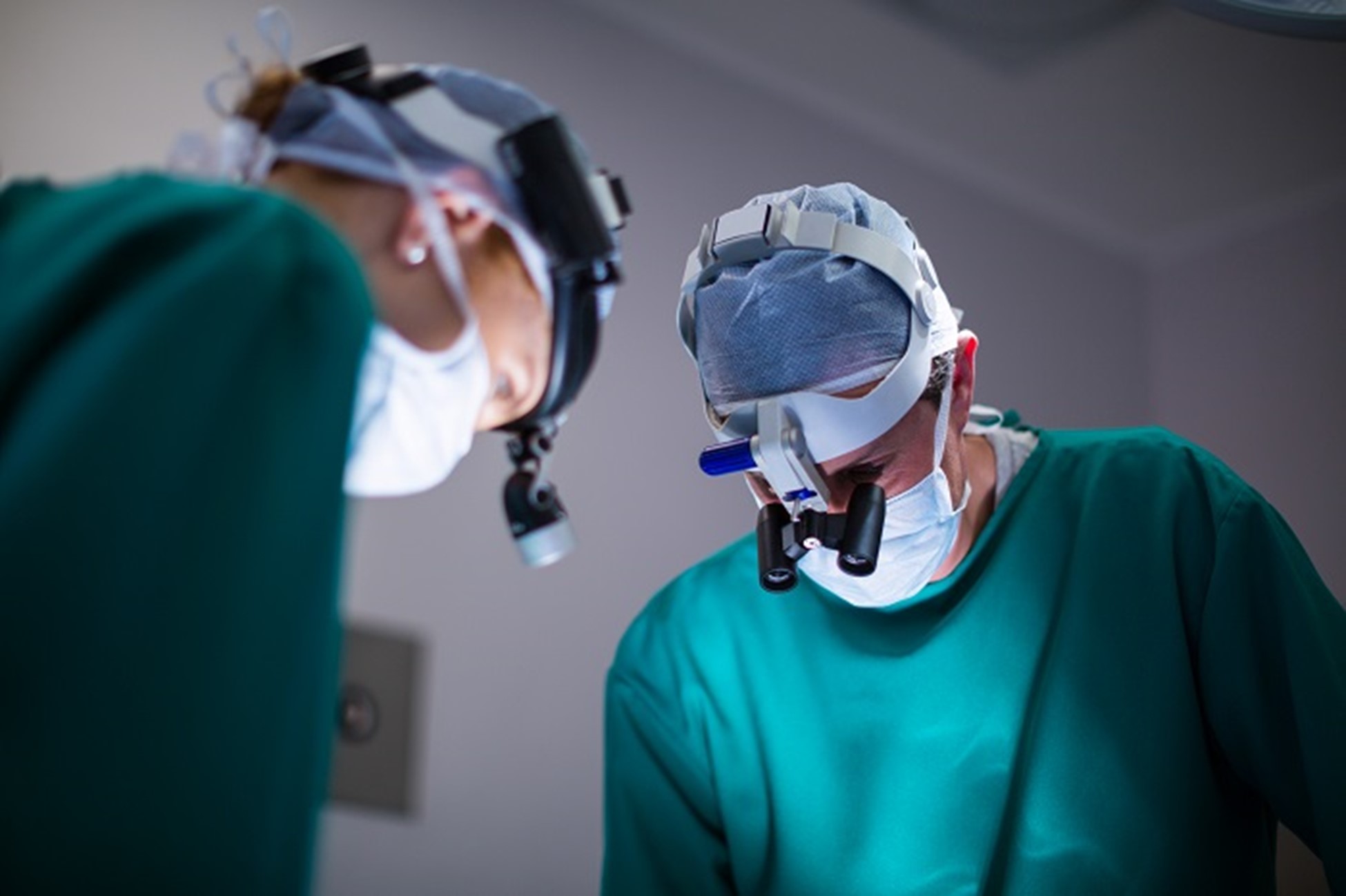
A team of expert surgeons from Dundee and the United States has achieved a historic milestone by performing the world’s first robotic-assisted stroke surgery. This achievement marks a transformative step in modern medicine, offering new hope to patients affected by one of the world’s leading causes of disability and death. The collaboration showcased how precision robotics can revolutionize neurosurgery by allowing doctors to operate with extreme accuracy and minimal invasion.
Advancing the Limits of Medical Technology
This pioneering procedure involved using a sophisticated robotic system that allowed surgeons to navigate delicate brain structures with unmatched precision. The technology minimized the risk of human error, reduced tissue damage, and shortened recovery time. Unlike traditional surgeries that demand high manual dexterity, this system provided a stable, motion-controlled platform that enhanced surgeon accuracy. The robot’s real-time feedback also allowed the medical team to make split-second adjustments during the operation, ensuring maximum safety for the patient.
A New Hope for Stroke Patients
Stroke patients often suffer from severe brain injuries caused by blood clots or internal bleeding. Traditional surgical methods, though effective, can be limited by the complexity of brain anatomy and the risks of invasive intervention. Robotic-assisted techniques have changed that equation by making it possible to treat affected areas with unprecedented delicacy. This procedure demonstrates that technology can bridge the gap between risk and recovery, giving more patients a chance at a full and faster rehabilitation.
Global Collaboration for Future Care
The success of this joint operation between Dundee and American surgeons highlights the power of global medical collaboration. Teams from both regions shared advanced knowledge and synchronized their skills to make the surgery possible. This effort also symbolizes a shared mission to advance healthcare through innovation and technology. With such success, hospitals worldwide are expected to explore similar robotic methods to improve patient outcomes and expand the frontiers of medical science.
Training the Next Generation of Surgeons
This achievement is not only a medical first but also a teaching moment for future surgeons. Robotic systems enable practitioners to simulate complex operations and gain experience without direct risk to patients. The hands-on digital feedback helps refine surgical accuracy and confidence. Medical institutions are now looking to incorporate robotic training into their programs, ensuring the next generation of surgeons can perform such complex procedures safely and effectively.
The Road Ahead for Robotic Neurosurgery
Following the success of this operation, experts predict a rapid evolution in robotic-assisted brain surgeries. The technology could soon handle more intricate neurological cases, including tumor removals and vascular repairs. Research is already underway to integrate artificial intelligence, allowing robots to analyze brain scans, plan surgeries, and even predict complications before they occur. This fusion of robotics and AI has the potential to redefine how medical professionals approach delicate brain procedures.
Revolutionizing Healthcare Through Precision
The success of the robotic stroke surgery marks a turning point for global healthcare. It proves that when human expertise meets technological innovation, the results can transform patient care. This groundbreaking event is not just about one successful surgery—it is a glimpse into a future where advanced robotics may become the standard in operating rooms worldwide, giving patients safer, faster, and more effective treatments.