
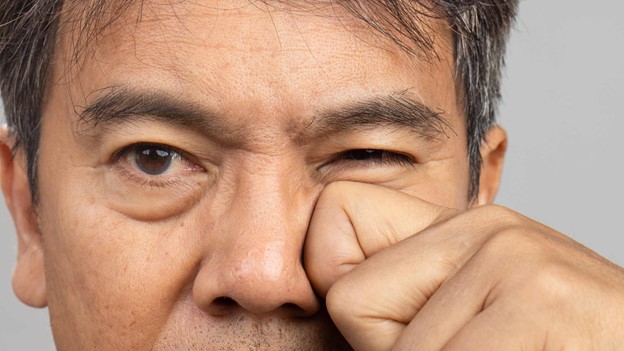
If your eye keeps twitching, you’re not alone. This small, repetitive movement can be annoying and distracting, especially when it happens without warning. But your body could be trying to send you an important message. Eye twitching, known medically as myokymia, usually affects the upper or lower eyelid of one eye. While it’s often harmless and temporary, it can also be linked to deeper physical or emotional stressors that need your attention.
Common Causes Behind Eye Twitching
One of the most common causes of eye twitching is stress. When your mind is overwhelmed, your body reacts in small but noticeable ways. The delicate muscles around the eye are especially sensitive, and tension can cause them to spasm. Another frequent trigger is fatigue. If you’ve been staying up late or not getting enough quality rest, your body’s nerves become overstimulated, leading to muscle twitches.
Caffeine intake also plays a big role. Drinking too much coffee, tea, or energy drinks overstimulates the nervous system and can cause the eyelids to flutter uncontrollably. Similarly, eye strain from staring at screens for long periods without breaks can fatigue the muscles and cause spasms. Dry eyes, often caused by prolonged computer use, can worsen the twitching.
What Your Body Is Telling You
When your eye twitches, it’s often a signal of imbalance. Your body might be warning you to slow down, rest, or reduce stress. In some cases, it can point to nutrient deficiencies, especially magnesium or potassium, which are essential for muscle health and nerve function. Dehydration can also make your muscles more prone to twitching.
If you experience twitching along with other symptoms—such as swelling, redness, or drooping of the eyelid—it might indicate a more serious condition that needs medical attention. Persistent twitching lasting more than a few weeks should never be ignored, as it could be linked to neurological or vision-related issues.
Simple Ways to Stop Eye Twitching
Start by taking regular breaks from screens to relax your eye muscles. Use the 20-20-20 rule—every 20 minutes, look at something 20 feet away for 20 seconds. Reducing caffeine and increasing your intake of hydrating fluids can also calm your nerves and ease spasms. Practice stress-relieving techniques like deep breathing, gentle yoga, or short walks. Prioritize sleep and aim for at least seven hours each night to restore your body’s natural balance.
You can also apply a warm compress to the affected eye for a few minutes. The heat relaxes the muscle and improves blood flow, reducing twitching. If you wear contact lenses or experience dry eyes, lubricating drops can offer quick relief.
When to See a Doctor
While occasional twitching is common, frequent or severe twitching needs evaluation. Seek medical help if the twitching spreads to other facial muscles or affects both eyes. It’s also important to consult a professional if you have vision changes, discomfort, or swelling. Sometimes, your eyes may be signaling something that only a trained expert can identify.
The Bottom Line
Eye twitching is your body’s subtle way of asking for care. Whether caused by stress, fatigue, or lifestyle habits, the good news is that it can usually be managed through rest, hydration, and relaxation. Listen to your body’s cues—it often whispers before it shouts. A few mindful changes can help you keep your eyes calm, healthy, and twitch-free.