
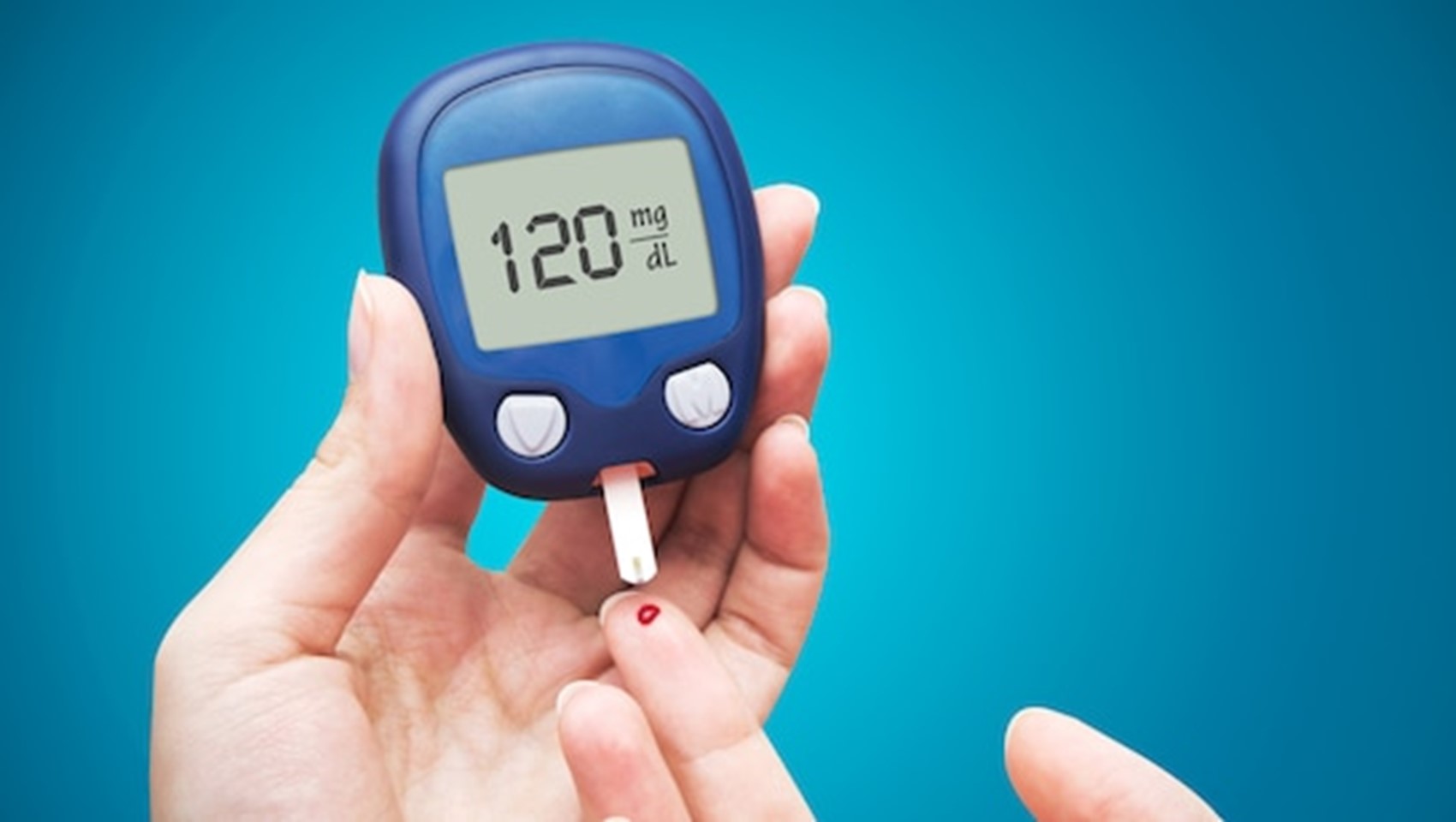
Many people start their mornings with habits that feel healthy but can actually cause a sudden spike in blood sugar. Whether you are managing diabetes, trying to lose weight, or simply aiming for steady energy, understanding what happens in your body first thing in the morning is crucial. Blood sugar spikes early in the day can lead to fatigue, cravings, and irritability later, creating a cycle that’s hard to break.
Why Morning Blood Sugar Spikes Happen
When you wake up, your body naturally releases hormones like cortisol and adrenaline. These hormones help you feel alert but also increase glucose production in the liver. If you eat certain foods too quickly after waking, your blood sugar can rise even more. A breakfast high in refined carbohydrates, such as sugary cereals, pastries, or white bread, floods your bloodstream with glucose, giving a short burst of energy followed by a crash. This rollercoaster effect affects your focus and mood and can contribute to long-term metabolic issues if repeated daily.
The Role of Skipping Breakfast
Skipping breakfast might seem harmless or even helpful for weight loss, but it can actually trigger your body’s stress response. Without food, your blood sugar may initially drop, prompting your body to release stored glucose to maintain energy. When you finally eat, your insulin levels surge to handle the sudden glucose intake, creating an even sharper spike. Eating a balanced meal within a few hours of waking helps prevent this fluctuation and keeps your metabolism steady.
The Breakfast Mistakes You Might Be Making
Many morning foods marketed as “healthy” can be misleading. Smoothies made with too much fruit, flavored yogurt, or even a large cup of coffee with sugar and cream can overload your system with hidden sugars. Pairing these items with refined carbohydrates worsens the problem. To maintain stable blood sugar, choose breakfasts with a mix of protein, fiber, and healthy fats. For example, eggs with vegetables, Greek yogurt with nuts, or oatmeal topped with seeds and berries can keep glucose levels more consistent.
How Hydration and Caffeine Play a Role
Another overlooked factor is hydration. Dehydration can reduce your body’s ability to use insulin effectively, increasing blood sugar levels. Starting your day with water before coffee or food helps regulate digestion and metabolism. Speaking of coffee, black coffee in moderation is fine, but adding sweeteners or flavored creamers adds unnecessary sugar. Caffeine can also raise cortisol levels, which might elevate blood glucose temporarily, especially if consumed on an empty stomach.
Small Morning Changes That Make a Big Difference
Simple adjustments to your routine can help prevent sugar spikes. Begin your morning with a glass of water, eat within an hour or two of waking, and include protein-rich foods in your breakfast. Limit sugary drinks and processed snacks, and try gentle movement like a short walk or stretching. These habits help your body use glucose more efficiently and keep energy levels stable throughout the day.
The Bottom Line
Your morning routine sets the tone for your entire day. Making small, mindful changes can drastically improve how your body manages blood sugar. A balanced breakfast, proper hydration, and moderate caffeine intake help stabilize glucose and prevent fatigue, cravings, and mood swings. Over time, these habits can lead to better energy, focus, and overall health.