
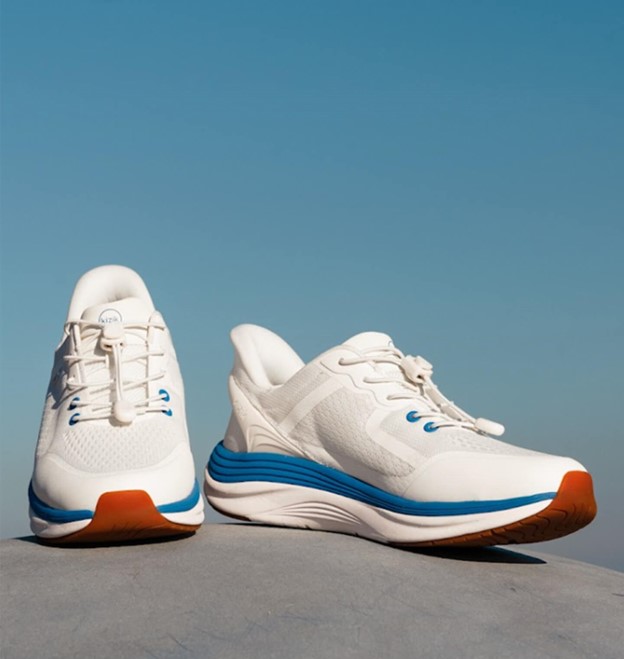
Marathon running with arthritis can feel like a challenge. The pounding impact on joints often leads to discomfort, swelling, and stiffness. However, the right sneakers can change that experience entirely. For runners managing arthritis, footwear must do more than just look good—it must offer superior cushioning, stability, and support. Choosing the right pair can make long-distance running enjoyable again while easing stress on the knees, hips, and ankles.
Cushioning Matters for Pain-Free Runs
One of the most important factors in sneakers for arthritic runners is cushioning. Shoes with thick, responsive midsoles absorb shock effectively, reducing the impact that travels through the joints with each stride. Memory foam or gel-based soles often work well to protect delicate joints. They distribute weight evenly, which helps in maintaining balance and minimizing uneven pressure. This design is especially beneficial for runners who experience knee or hip arthritis.
Lightweight Design for Easier Strides
Heavy shoes can add unnecessary strain to already sensitive joints. A lightweight sneaker helps reduce fatigue and allows smoother motion throughout the run. Many modern running shoes use advanced foam compounds and breathable mesh fabrics, ensuring that comfort does not come at the expense of durability. The light feel not only supports endurance during marathons but also helps prevent inflammation from overexertion.
Stability and Support are Key
Runners with arthritis often require extra stability to prevent misalignment of joints. Sneakers with structured heel counters, wide bases, and arch support provide the necessary control. This helps in maintaining proper posture and reduces the risk of further joint deterioration. Runners who tend to overpronate or have flat feet benefit the most from stability shoes that correct gait imbalance.
Flexibility Encourages Natural Movement
While support is crucial, flexibility should not be compromised. Shoes that bend naturally at the forefoot allow the foot to move fluidly, reducing joint stress. A balance between firmness in the heel and flexibility in the toe area helps the foot transition smoothly from heel strike to toe-off. This natural movement ensures comfort even during long-distance runs.
Breathability Enhances Comfort
When joints are inflamed, even slight temperature changes can cause discomfort. Breathable sneakers made with mesh uppers keep the feet cool and dry, preventing friction and overheating. This simple feature can make a big difference in overall running comfort, especially during extended training sessions.
Choosing the Right Fit for Your Feet
Fit is another crucial element. Sneakers that are too tight can restrict movement and worsen joint pain, while loose-fitting shoes may cause instability. The right pair should hug the foot snugly without squeezing. Many runners with arthritis prefer shoes with adjustable lacing systems or stretchable uppers that adapt to swelling, offering comfort throughout the day.
Final Thoughts: Run Smart, Run Pain-Free
Living with arthritis does not mean giving up running. With carefully chosen sneakers designed to reduce pressure and enhance support, marathoners can continue pursuing their passion without discomfort. The combination of cushioning, stability, flexibility, and fit makes all the difference. By investing in quality footwear that caters to joint health, runners can maintain performance and protect their bodies from further strain.