
In a remarkable leap for medical science, researchers have successfully edited a human gene linked to high cholesterol, offering the possibility of a permanent solution for millions of people worldwide. The breakthrough could revolutionize how heart disease is prevented, shifting from lifelong medications to one-time genetic interventions.
A Potential Game-Changer for Heart Health
High cholesterol remains one of the leading causes of cardiovascular disease globally. Traditionally, patients rely on daily medications and lifestyle changes to manage their cholesterol levels. However, these methods often require lifelong adherence and may not completely eliminate the underlying genetic causes. By targeting the root of the problem, scientists have found a way to alter the gene responsible for producing excess cholesterol.
This gene editing approach involves a single, precise modification that could last a lifetime. Once the gene is altered, the liver produces less of the protein that drives cholesterol production. As a result, cholesterol levels naturally stay lower without the need for ongoing drug therapy.
How Gene Editing Works
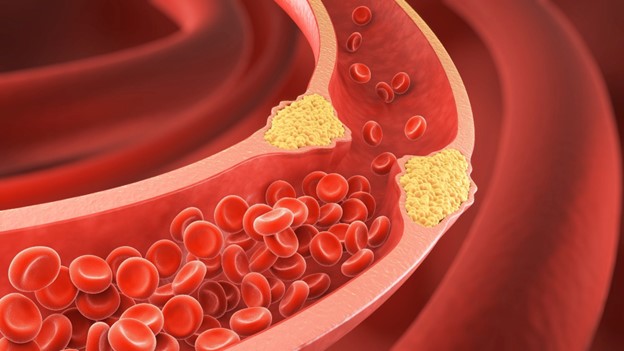
Researchers used advanced molecular tools to directly modify a specific section of DNA. These tools act like molecular scissors, cutting and replacing the faulty genetic sequence that promotes high cholesterol. The corrected version of the gene helps the body regulate cholesterol more efficiently, reducing the risk of plaque buildup in arteries.
Unlike conventional treatments, which only manage symptoms, this approach tackles the problem at its source. Early tests on human cells have shown strong results, with significant and lasting reductions in cholesterol-related proteins.
Lifelong Benefits in a Single Treatment
One of the most promising aspects of this breakthrough is its potential permanence. Once the corrected gene integrates successfully, its effects may last for life. This could transform how we treat inherited cholesterol conditions, providing patients with long-term relief without constant medical intervention.
Experts believe such genetic therapies could eventually replace daily medications, saving billions in healthcare costs and preventing countless heart-related deaths. However, while the science is advancing rapidly, clinical trials and safety reviews are still ongoing. Ensuring that gene editing remains safe and precise is a top priority before widespread use becomes possible.
The Road Ahead for Genetic Cholesterol Treatments
Despite the promise, scientists emphasize that gene editing is still in its early stages. Ethical considerations, regulatory approvals, and long-term monitoring remain crucial before this technology reaches the public. Yet, optimism is high, as this marks one of the first clear demonstrations of how altering a single gene can have a profound effect on lifelong health.
This discovery opens the door to similar treatments for other genetic diseases, from diabetes to hypertension. As research progresses, we could soon be looking at a future where common health conditions are treated not with pills, but with precise edits to our DNA.
A Future Without High Cholesterol
If proven safe and effective, this gene editing technique could eliminate the need for cholesterol-lowering drugs entirely. People with inherited high cholesterol might never have to worry about heart disease risks again. The idea of a one-time genetic fix transforming cardiovascular health is no longer science fiction—it’s rapidly becoming science fact.
With ongoing research, this advancement stands as a shining example of how modern genetics is reshaping the future of medicine, bringing humanity one step closer to ending high cholesterol forever.