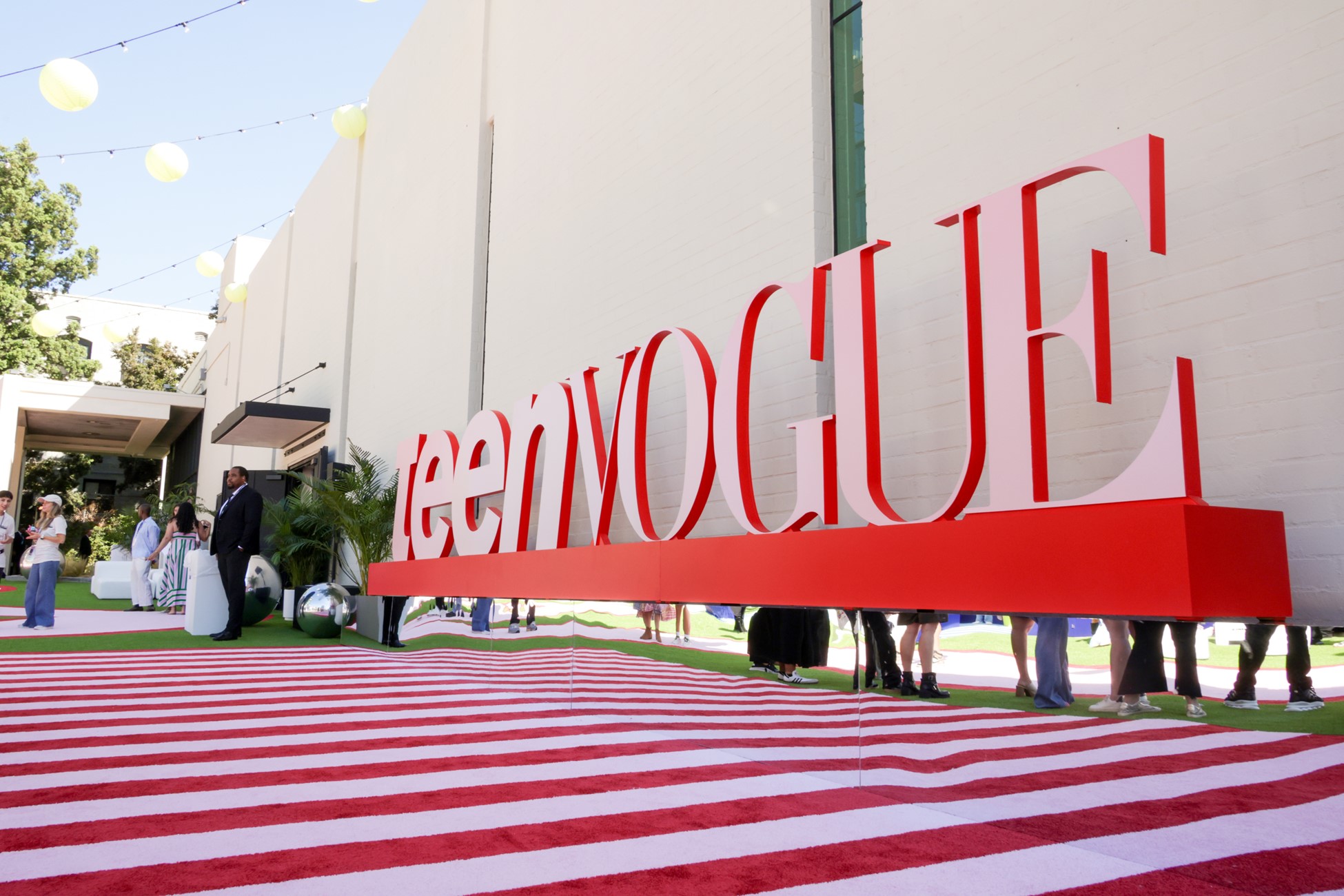
The closure of Teen Vogue represents more than the loss of another digital magazine. It highlights a deeper shift within fashion journalism, signaling a retreat from the politically charged narratives that once defined the industry. Over the past decade, many fashion outlets began integrating activism, social issues, and identity politics into their coverage. Now, the pendulum seems to be swinging back toward glamour, celebrity, and escapism.
From Runway to Resistance — and Back
When fashion media embraced political discourse, it gave young readers a sense of purpose beyond style. Magazines featured stories on social justice, climate change, and gender equality alongside beauty tutorials and style guides. This mix redefined how audiences perceived fashion — as both a mirror and a voice for societal change. However, as readership habits evolved and the digital landscape became oversaturated, engagement started to wane. Audiences began craving lighter content, escapism, and nostalgia rather than constant activism.
The Decline of Political Storytelling
Fashion publications once served as platforms where cultural movements intersected with art and design. But with shifting algorithms and advertising priorities, politics started to take a backseat. Readers turned to short-form videos, influencers, and independent voices for commentary on social issues. Meanwhile, mainstream fashion media refocused on celebrity profiles, luxury trends, and lifestyle features that guaranteed wider engagement. The political tone that once defined the late 2010s became less profitable and harder to sustain.
Why Fashion Media Is Returning to Safe Ground
The industry’s retreat from activism stems from several pressures. Economic uncertainty has forced many publications to rely heavily on brand partnerships and sponsored content. Political coverage often risks alienating potential advertisers and readers. Moreover, as digital audiences grow more polarized, fashion brands prefer to stay neutral to protect their global market. The result is a cautious editorial approach that prioritizes elegance over edge, and beauty over boldness.
The Cultural Cost of Silence
While a renewed focus on aesthetics may seem harmless, it carries cultural consequences. Fashion has long reflected society’s evolution — from postwar liberation styles to feminist statements in clothing. When fashion media silences its political edge, it loses a part of that cultural dialogue. The shift might please luxury advertisers and nostalgic readers, but it risks disconnecting from younger audiences who crave authenticity and meaning in what they consume.
What Comes Next for Fashion Journalism
The end of Teen Vogue’s era serves as a mirror for the future of media. Publications now face a choice between pursuing depth or maintaining commercial stability. Independent digital creators are stepping into the gap, offering political and cultural commentary that mainstream outlets no longer prioritize. This evolution suggests that while traditional fashion media may step back from activism, the conversation will continue — just on new platforms, led by fresh voices unafraid to blend beauty with belief.