
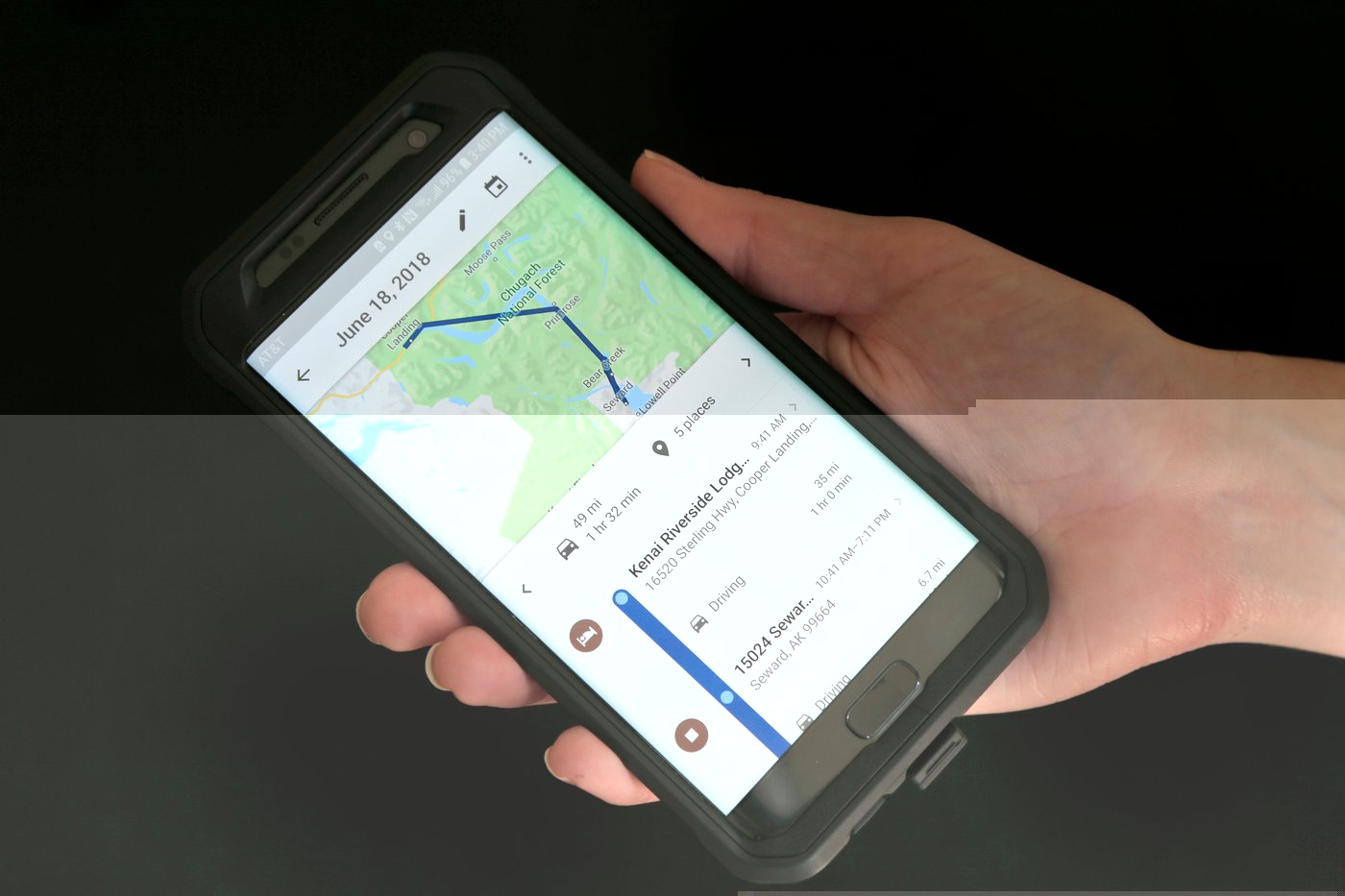
Google Maps is entering a transformative era as Gemini, the company’s advanced AI system, begins taking charge of its core functions. The move signifies a strategic shift from a traditional map-based navigation tool to a more intelligent, context-aware travel assistant. Gemini’s integration aims to turn Google Maps into a dynamic platform capable of predicting user intent, offering personalized suggestions, and delivering real-time guidance that adapts to changing conditions. This marks the most significant overhaul in the app’s history.
Smarter Directions with Real-Time Understanding
At its core, Gemini’s arrival enhances the way Maps interprets movement, routes, and destinations. Instead of merely calculating the fastest route, Gemini evaluates multiple contextual layers such as time of day, weather patterns, user preferences, and even personal routines. For instance, if someone frequently stops at a particular café during morning commutes, the app may automatically suggest adding it as a waypoint. By learning from past behavior, Gemini transforms Maps into a proactive planner rather than a passive navigator.
Beyond Maps: A Personalized Travel Companion
One of Gemini’s standout features is its conversational ability. Users can now interact with Google Maps in natural language, asking complex questions like, “What’s the fastest scenic route to the coast with fewer tolls?” or “Find a restaurant nearby that’s open late and has parking.” Instead of offering simple search results, Gemini synthesizes data to deliver clear, human-like responses. This conversational shift positions Maps closer to a digital travel assistant that understands context, preferences, and mood.
Enhanced Visual Discovery Experience
Gemini’s deep learning capabilities also improve how Maps visualizes locations. With AI-generated summaries and interactive visuals, users can now explore areas virtually before visiting. The update brings improved 3D mapping, immersive street-level visuals, and environment-aware rendering that adjusts based on lighting and weather. It’s not just about showing roads—it’s about recreating the feel of a destination. This feature benefits travelers, real estate hunters, and urban explorers alike.
Integration with the Wider Ecosystem
Gemini’s integration extends far beyond navigation. The AI will now link Maps with other Google services, allowing seamless interactions between search, calendar, and messaging. If a user schedules a meeting in a distant city, Maps can automatically plan the best travel route and notify them when to leave. By bridging these services, Google aims to create a cohesive digital assistant experience powered entirely by Gemini’s intelligence layer.
Privacy and Control Take Center Stage
As AI grows more integrated, concerns about privacy remain crucial. Google has emphasized that Gemini’s personalized recommendations rely on on-device learning whenever possible. This ensures that sensitive data stays private and under user control. Additionally, users can adjust how much contextual data Gemini uses, from travel history to preferences, ensuring transparency and choice remain central.
The Road Ahead for Maps
Gemini’s rollout in Google Maps symbolizes a major leap toward the future of digital navigation. The shift is not just technological—it’s philosophical. Instead of serving as a static guide, Maps now evolves with its users, learning from behavior, predicting needs, and even suggesting new experiences. Future updates are expected to expand Gemini’s capabilities, adding features like predictive route optimization and real-time collaboration for group trips.
Conclusion: A Smarter Way to Explore the World
With Gemini steering the future of Google Maps, navigation is becoming more personal, predictive, and powerful. The AI-driven system understands context like never before, turning every journey into a tailored experience. As Maps continues to evolve under Gemini’s influence, users can expect smarter routes, richer visuals, and a seamless blend of travel planning and everyday convenience. The transformation is not just an upgrade—it’s a reinvention of how people explore the world around them.