
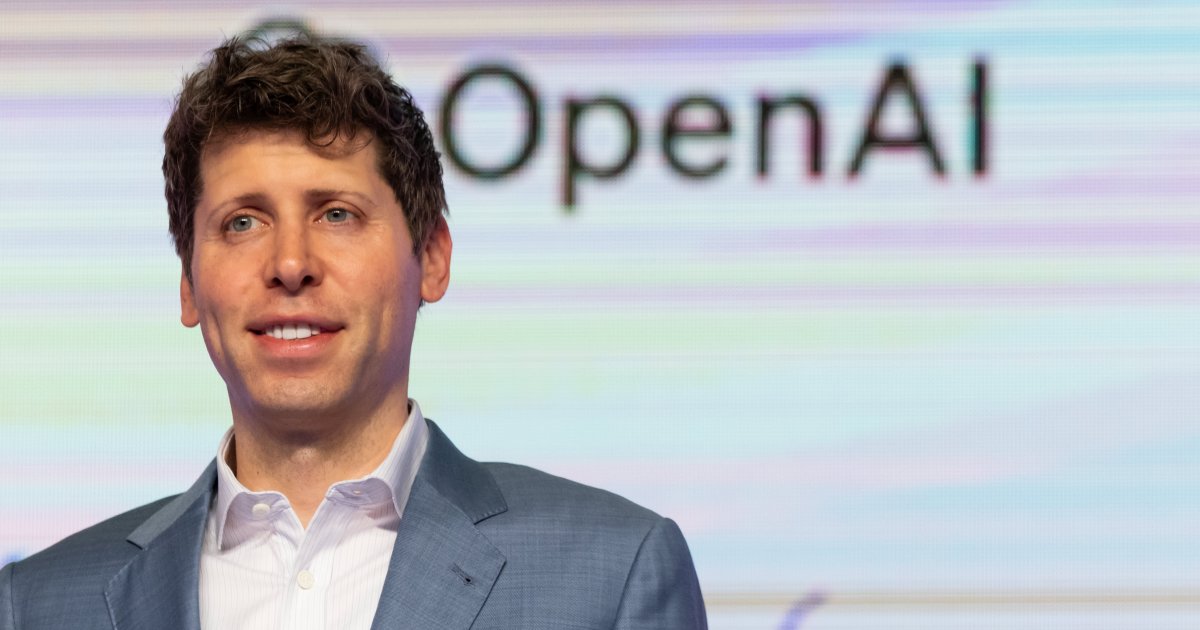
During a recent discussion about his company’s financial performance, the head of one of the world’s leading artificial intelligence firms made headlines by sharply responding “Enough” when pressed about revenue numbers. His brief but pointed remark highlighted growing frustration with constant questions about the company’s current income instead of its long-term potential.
Focus Shifts from Present Earnings to Future Vision
The executive clarified that while reported revenue figures hover around tens of billions annually, they don’t reflect the full scope of ongoing projects, partnerships, and future income streams. He emphasized that the company’s focus is not merely on short-term gains but on building the foundation for an AI-driven economy that will generate exponential returns over the next decade.
Massive Investments Spark Curiosity and Doubt
Critics have questioned how the company can justify trillion-dollar infrastructure investments while current revenue numbers seem relatively modest. However, the CEO explained that such spending is strategic—meant to secure the compute power, data pipelines, and cloud architecture necessary for future innovation. He insisted that the firm is “positioned for transformative scale,” and that doubters will see proof in upcoming breakthroughs.
Addressing the AI Bubble Concern
Industry watchers have expressed fears of an “AI bubble,” where massive investments could outpace practical returns. The company’s leader acknowledged that risk but maintained confidence that true innovation requires courage, long-term thinking, and calculated risk-taking. He described this phase as an inflection point—where building infrastructure faster than competitors could define leadership for decades.
Leadership’s Stance: Vision Over Verification
Rather than defending every number, the executive underlined the company’s commitment to expanding access to advanced AI models, improving developer tools, and powering next-generation products across industries. He noted that the firm’s technology is already reshaping productivity, science, and communication, with a trajectory that will soon make today’s revenue questions seem trivial.
Investor and Market Reaction
The statement “Enough” has since been interpreted as both a moment of irritation and a signal of strength. For investors, it suggests that the company’s leadership no longer intends to justify growth strategies through current income reports but instead through long-term impact. Analysts believe this approach reflects confidence in the scalability of AI products and subscription models that could multiply revenue significantly.
The Bigger Picture
Ultimately, the moment underscores a shift in how AI companies measure success. Traditional metrics like quarterly earnings may not capture the explosive potential of technologies still in early adoption. The CEO’s refusal to dwell on revenue reflects an understanding that the future of AI lies not in present numbers but in shaping the digital infrastructure of tomorrow.
Conclusion
The message was clear: the company’s leader is done debating numbers and focused entirely on execution. His confident “Enough” wasn’t avoidance—it was conviction. It signaled that the company’s mission extends beyond financial statements toward creating an AI ecosystem powerful enough to redefine global industries.