
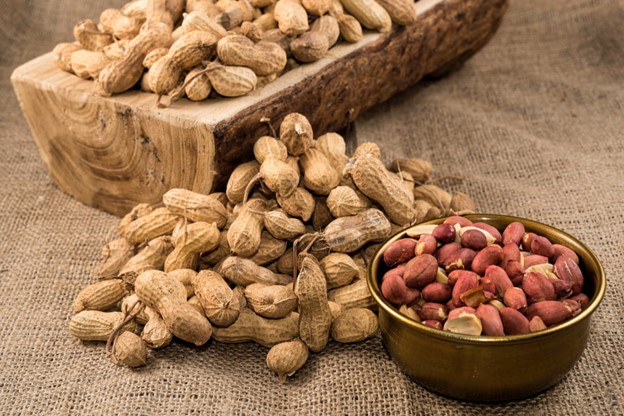
For years, experts told parents to keep peanuts away from children. They believed that avoiding peanuts early in life would protect kids from allergies. Many homes and schools banned peanuts entirely, hoping to prevent dangerous reactions. That advice shaped an entire generation’s relationship with one of the world’s most common foods.
But the idea was wrong. Avoidance didn’t protect children—it may have made the problem worse. Today, science tells a very different story about how allergies start and how they can be prevented.
How the Old Theory Took Hold
The old theory suggested that a young immune system could not handle early exposure to potential allergens. Doctors warned parents to wait before introducing peanuts, thinking the body would react too strongly. As a result, families delayed peanut exposure until later childhood.
Over time, peanut allergies skyrocketed. Many researchers began to notice that children who ate peanuts early in life seemed less likely to develop allergies. This simple observation eventually sparked a scientific shift that turned years of advice upside down.
The New Science on Peanut Allergies
Modern studies reveal that the immune system learns tolerance through early exposure. When babies encounter small, safe amounts of peanuts, their immune system treats the food as harmless. That learning process helps the body build resistance instead of fear.
This approach, sometimes called “immune training,” works much like how vaccines build protection. Instead of avoiding peanuts, introducing them early—under professional guidance—teaches the immune system not to overreact. Many children who follow this method never develop allergies at all.
Parents are now encouraged to discuss early peanut introduction with healthcare professionals. By managing timing and quantity safely, they can help their child’s body recognize peanuts as food, not danger.
The Scientific Method at Work
This entire shift shows why the scientific method matters. Science is not about being right the first time—it’s about getting closer to the truth through evidence. Earlier recommendations came from limited data. As new research emerged, scientists tested, compared, and corrected their theories.
Admitting past mistakes took courage, but it also showed science’s greatest strength: self-correction. Every discovery refines our understanding and helps people live safer, healthier lives. The story of peanut allergies is a perfect example of progress through persistence.
What the Future Holds
Today, experts focus on prevention instead of avoidance. The new strategy has already reduced allergy rates among children in several regions. Parents now have practical tools to lower risks instead of living in fear.
This shift may also reshape how society tackles other food allergies. If early exposure works for peanuts, similar strategies could protect children from eggs, milk, and other common allergens. The lesson is clear: teaching the immune system early may be the best defense against lifelong allergies.
The world once feared peanuts. Now, thanks to evolving science, that fear is giving way to understanding—and hope.