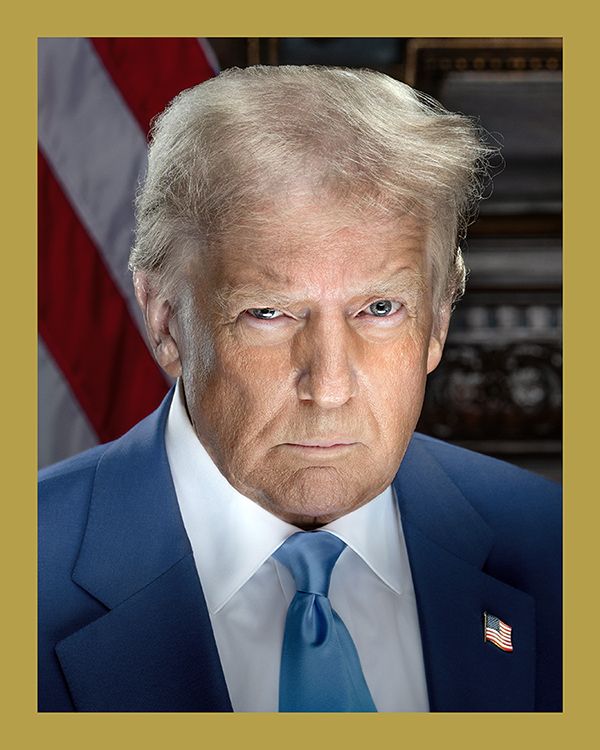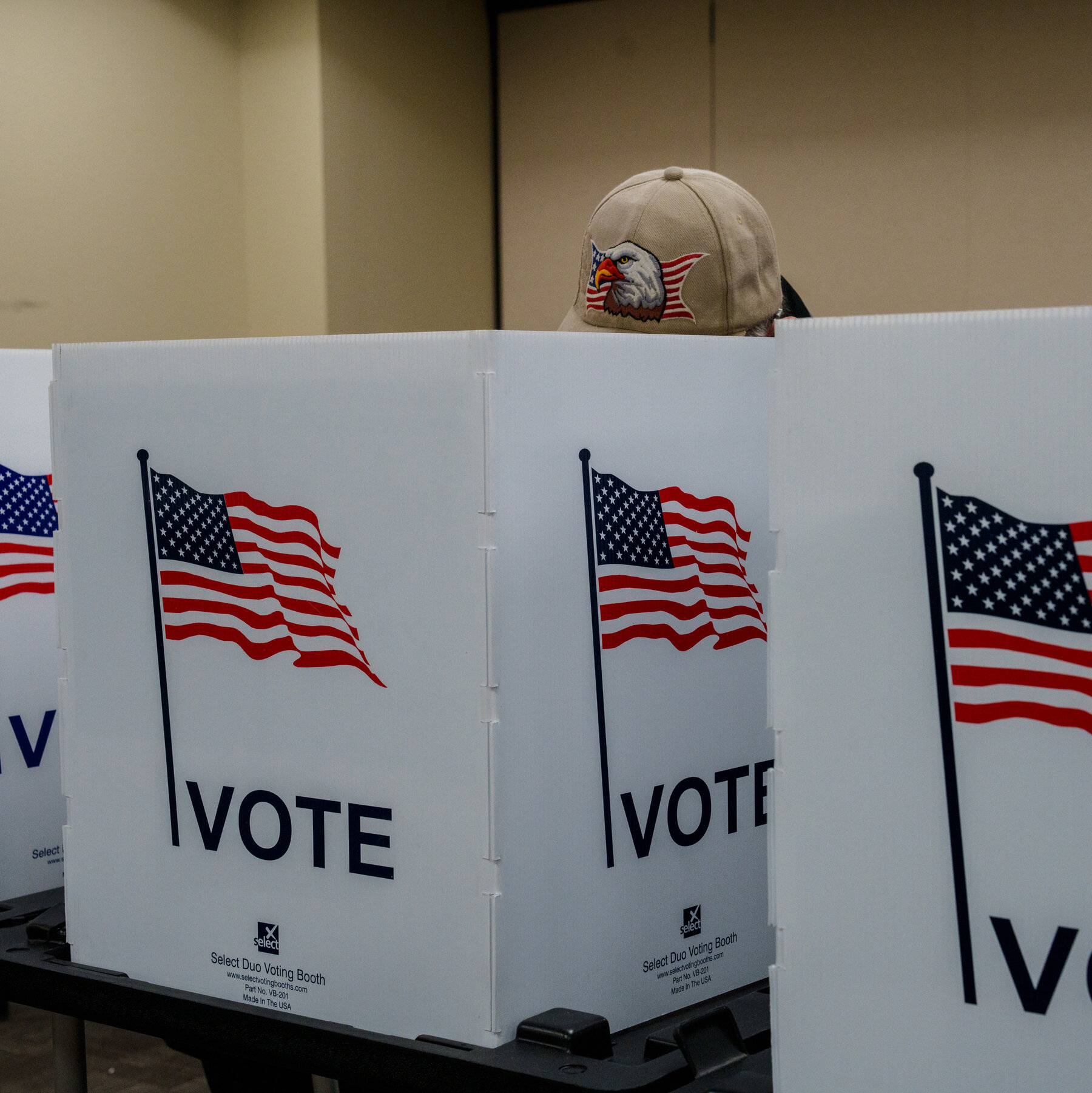

In a striking escalation of Washington’s budget showdown, former President Donald Trump has urged Senate Republicans to eliminate the chamber’s long-standing filibuster rule to end the ongoing government shutdown. With the funding impasse stretching beyond thirty days, pressure is rapidly intensifying on lawmakers to find a resolution, and Trump’s intervention adds a dramatic twist to an already tense standoff.
The shutdown began at the start of the fiscal year after lawmakers failed to reach agreement on federal budget legislation. As negotiations stalled, numerous agencies shut down or restricted operations, leaving hundreds of thousands of government workers either furloughed or reporting to duty without pay. Essential services continue to function, but many public-facing programs have slowed significantly, while others face looming funding exhaustion.
Speaking through a public statement this week, Trump called on Republicans to “use their majority fully” by scrapping the Senate filibuster — a procedural mechanism requiring 60 votes to advance most major legislation. Removing the threshold would allow spending bills to pass with a simple majority, effectively enabling the GOP to approve funding without Democratic support.
Trump framed the move as necessary to break what he described as “Democratic obstruction” and insisted that Republicans must act decisively rather than wait for bipartisan cooperation that may not arrive. He also warned that Democrats would abolish the filibuster if they regained full control, arguing that Republicans should “act first” to avoid future political disadvantage.
Historic Rule, High Stakes
The Senate filibuster has been a defining feature of congressional procedure for generations, intended to encourage consensus and slow sweeping shifts in policy. Over the past decade, however, both parties have chipped away at its power — particularly in judicial confirmations — fueling concerns that the rule’s complete removal could upend the balance of legislative power in Washington.
Many Senate Republicans remain hesitant to embrace Trump’s approach. While they are eager to reopen the government and avoid political fallout, some warn that dismantling the filibuster could backfire in future cycles when Democrats hold a majority. For moderates, the debate is not simply about the shutdown but about preserving institutional norms that prevent rapid policy swings.
Democratic leaders, for their part, have insisted that any temporary or full-year funding measure must include commitments to key social programs and healthcare subsidies. They accuse Republicans of refusing to negotiate in good faith and argue that unilateral action would deepen partisan division.
Economic and Public Pressure Mounts
As the shutdown persists, its effects are becoming more pronounced. Federal workers and military families are bracing for missed paychecks, food-assistance programs are nearing funding shortfalls, and travel and public-safety agencies report staffing strain. Economists warn that prolonged government closures could dampen quarterly growth and undermine consumer confidence.
Public frustration is also building. Advocacy groups representing veterans, federal employees, and low-income families have urged Congress to reach a swift agreement, while business leaders caution that extended disruption could ripple through industries reliant on federal contracts and regulatory approvals.
What Comes Next
The Senate is expected to reconvene after the weekend, but no breakthrough appears imminent. If the filibuster becomes a central point of contention, the government shutdown could evolve into a larger constitutional and political battle over the future of Senate governance.
Trump’s call puts Republican lawmakers at a crossroads: maintain the Senate’s traditional rules in pursuit of bipartisan negotiation, or embrace a seismic procedural shift to force through legislation and reopen the government on their own terms.
For now, millions of Americans continue to wait — paychecks delayed, services disrupted, and uncertainty rising — as Washington debates not only how to resolve a funding crisis, but whether to reshape the very rules of American lawmaking.