Food Banks Brace as Federal Aid Stoppage Looms: ‘We Cannot Meet the Gap’
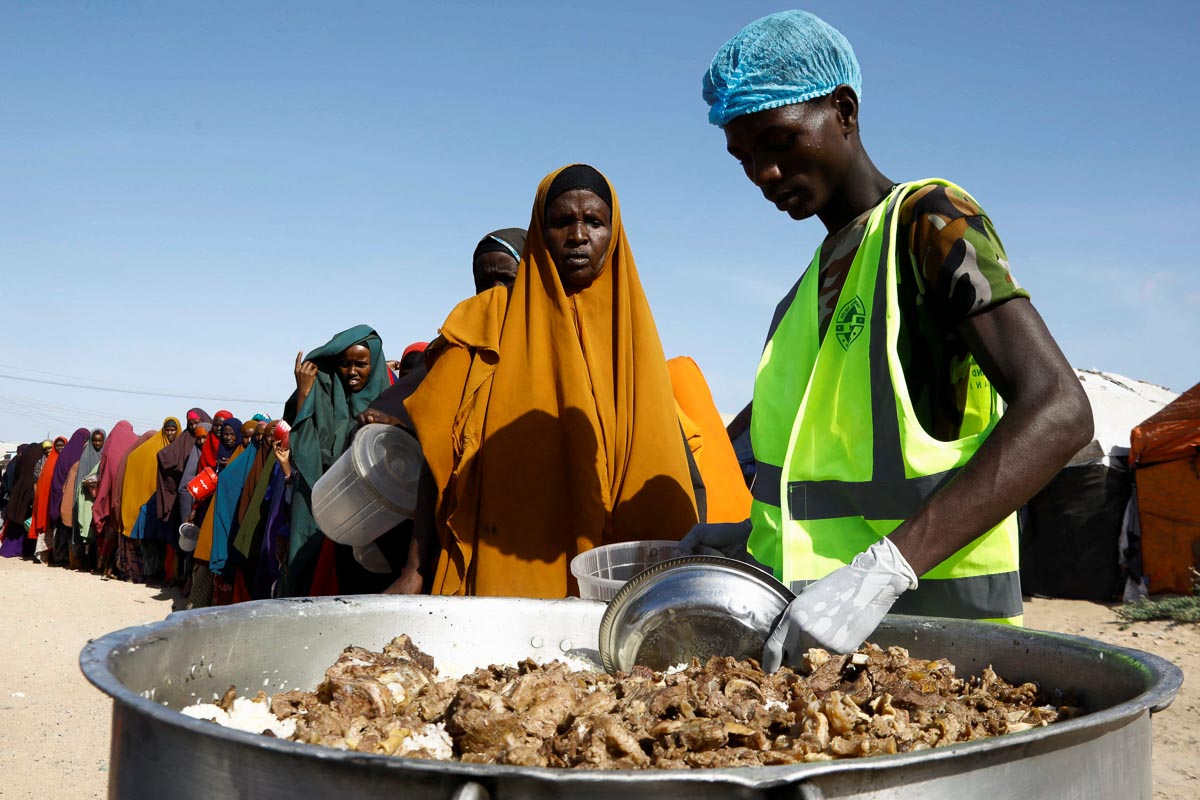
As federal assistance programs face potential disruption, food banks across the United States are preparing for a surge in demand unlike anything seen since the height of the pandemic. From bustling urban centers to rural counties where support systems are already stretched thin, hunger-relief organizations warn that a federal aid stoppage could trigger a humanitarian crisis with lasting social and economic consequences.
For millions of households, government nutrition programs have served as a lifeline in an era marked by rising living costs, inflation, and economic uncertainty. Now, with a possible pause in federal support, food insecurity is poised to deepen — hitting children, seniors, low-income workers, and families already living on the financial edge. According to food bank administrators, many Americans have been operating on razor-thin margins; losing federal benefits could push them into desperation overnight.
“Food doesn’t stretch when rent rises, jobs slow, and federal help disappears,” said one food pantry operator in the Midwest. “We have always worked to fill gaps, but this gap is too big. We cannot meet the need alone.”
Demand Already Rising Before Aid Halt
Even before the looming stoppage, food banks were reporting sharp increases in need. In some regions, demand has jumped by double digits year-over-year — fueled by inflation, lower wage growth, rising housing expenses, and an uneven post-pandemic economy. Many families who once relied only on food banks occasionally now depend on them weekly.
Pantries have already exhausted emergency reserves, and donation pipelines are thinning as inflation affects households that previously contributed food and funds. With suppliers charging more and transportation costs increasing, every pallet of food delivered stretches budgets to their breaking point.
The Human Toll
Behind the numbers are countless personal stories. Parents skipping meals so children can eat. Seniors choosing between groceries and medicine. Students juggling school and multiple jobs just to keep meals on the table. For many Americans, food assistance has never been a luxury — it has been a basic necessity.
Human-service advocates stress that hunger does not discriminate. While low-income households will be hit hardest, working-class families and recently unemployed individuals are also at risk. Communities fear that childhood hunger will spike, with long-term consequences for education, health, and development.
Urgent Calls for Action
Nonprofits are urging policymakers to find solutions — emergency funding, temporary benefit extensions, or partnerships to support distribution networks. Faith-based groups, volunteer coalitions, and community kitchens are gearing up to expand services, but leaders caution that goodwill cannot replace government infrastructure.
“If federal aid stops, food banks will not be able to absorb the shock,” said one state coordinator. “This is not about charity — it is about survival.”
With uncertainty looming, advocates are calling on local governments, businesses, and citizens to step up — through donations, volunteer work, and policy support — to prevent millions from falling into hunger.