
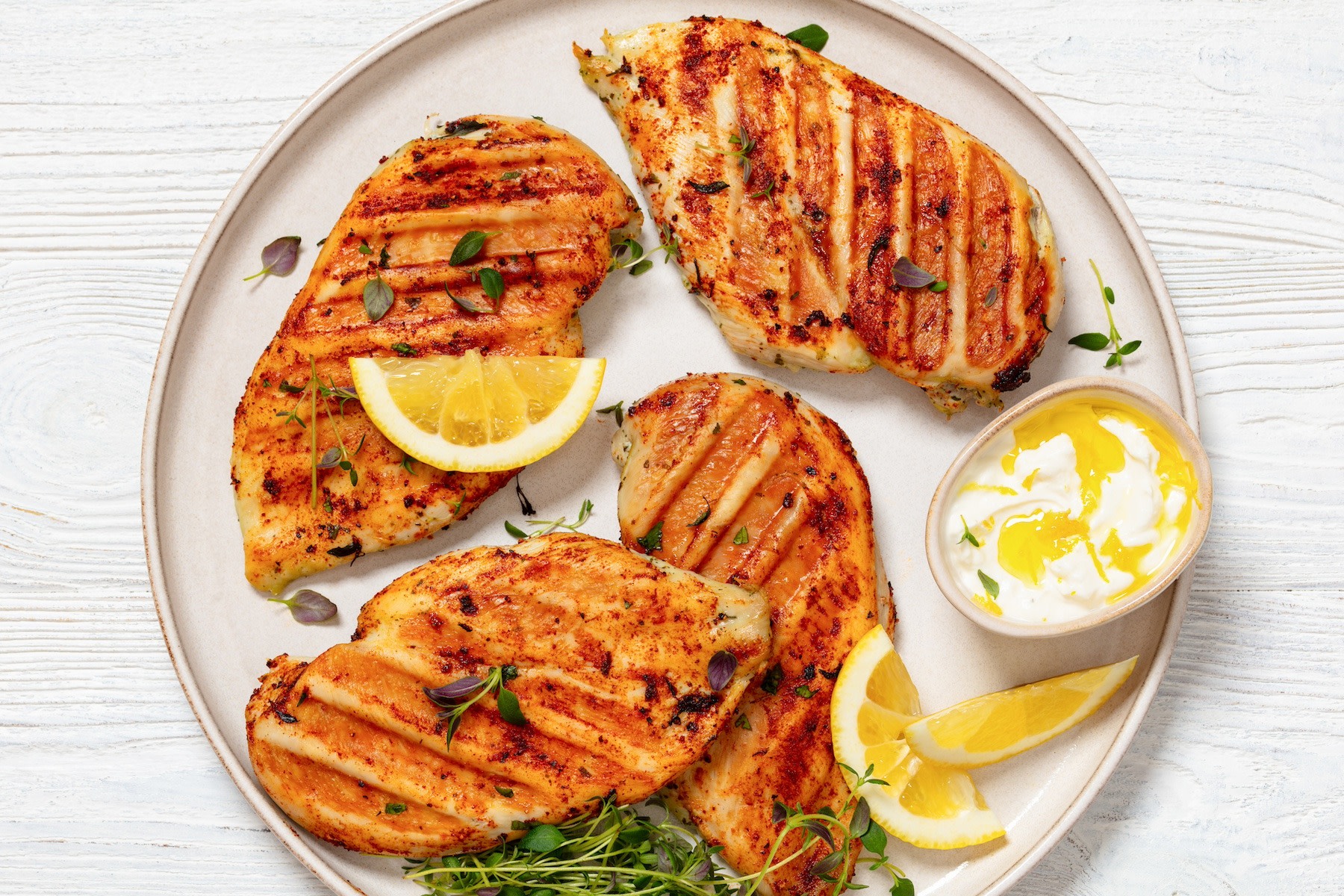
Visceral fat sits deep inside the abdomen and surrounds vital organs. Because of its location, it responds well to lifestyle changes, especially nutrition. A high-protein eating pattern helps reduce this harmful fat by increasing satiety, preserving lean muscle, and boosting daily calorie burn. Moreover, protein slows digestion, which helps control blood sugar swings and reduces cravings. As a result, you eat fewer calories without feeling deprived.
Additionally, protein requires more energy to digest compared to fats or carbohydrates. This effect slightly raises metabolism throughout the day. Over time, these small advantages add up, making protein-focused meals a smart strategy for trimming belly fat safely and sustainably.
How This 7-Day Meal Plan Works
This plan emphasizes whole foods, balanced portions, and consistent protein intake at every meal. Each day includes breakfast, lunch, dinner, and optional snacks. While calories are controlled, meals remain filling and satisfying. Furthermore, the plan avoids extreme restriction, which helps prevent muscle loss and diet fatigue.
Instead of relying on complicated recipes, the meals focus on simple combinations that are easy to prepare. You can swap similar protein sources if needed, as long as portions stay reasonable.
Day 1 to Day 3: Building a Strong Foundation
The first three days focus on stabilizing appetite and reducing bloating. Breakfasts include protein-rich options like eggs, yogurt, or legumes paired with fiber-rich vegetables. Lunches combine lean protein with whole grains or vegetables for steady energy. Dinners stay lighter but remain protein-forward to support overnight recovery.
During these days, hydration also plays an important role. Drinking enough water supports digestion and helps reduce water retention, which often masks fat loss around the waist.
Day 4 to Day 5: Accelerating Fat Loss
By midweek, the body adapts to steady protein intake. At this stage, meals slightly reduce refined carbohydrates while increasing vegetables and healthy fats. This shift encourages the body to tap into stored fat for energy.
Snacks become more intentional. Instead of sugary options, protein-based snacks help prevent energy crashes. Consequently, hunger stays under control, even during busy afternoons.
Day 6 to Day 7: Supporting Long-Term Results
The final days focus on balance and sustainability. Meals remain high in protein but feel more flexible. This approach helps transition from a structured plan to everyday healthy eating.
Moreover, these days reinforce mindful eating habits. Eating slowly and stopping when comfortably full helps prevent overeating, which is essential for keeping visceral fat off long term.
Sample Daily Structure
A typical day includes a protein-rich breakfast to kick-start metabolism, a balanced lunch to maintain focus, and a lighter dinner to support digestion. Snacks remain optional and depend on hunger levels. Importantly, protein appears at every eating occasion, which keeps appetite steady throughout the day.
Lifestyle Tips to Maximize Results
Although nutrition drives fat loss, lifestyle habits amplify results. Strength training two to three times per week helps preserve muscle and enhances fat burning. Walking daily also supports visceral fat reduction. Additionally, quality sleep regulates hunger hormones, making healthy choices easier.
Stress management matters as well. Chronic stress increases abdominal fat storage, so relaxation techniques can directly support your goals.
Final Thoughts
A 7-day high-protein meal plan can jump-start visceral fat loss while improving overall health. Because the meals focus on balance rather than extremes, the plan feels realistic and sustainable. Most importantly, it builds habits that extend beyond one week.
When followed consistently, this approach helps shrink belly fat, protect muscle, and improve energy levels. Over time, these changes lead to a healthier waistline and better long-term well-being.